Coral Restoration: When The Reef Grows, The Community Grows
 (Agustina Siringoringo/SeaTrek Sailing Adventures)
By Widya Hapsari
Warming ocean temperatures, compounded by the marine heatwaves Indonesia experienced between 2023 and 2025, caused coral bleaching events across the archipelago. In the Komodo Island area, the reefs were already carrying some damage from decades of destructive fishing before the bleaching arrived. SeaTrek uses our boats as a platform to support the conservation initiatives working against these pressures on the ground.
When the reef declines, coastal communities feel it first, in the fish catch, in the shoreline, and in the tourism that sustains local income. Across Indonesia, local communities are pushing back. The most compelling proof of that is in the water.
Abdullah
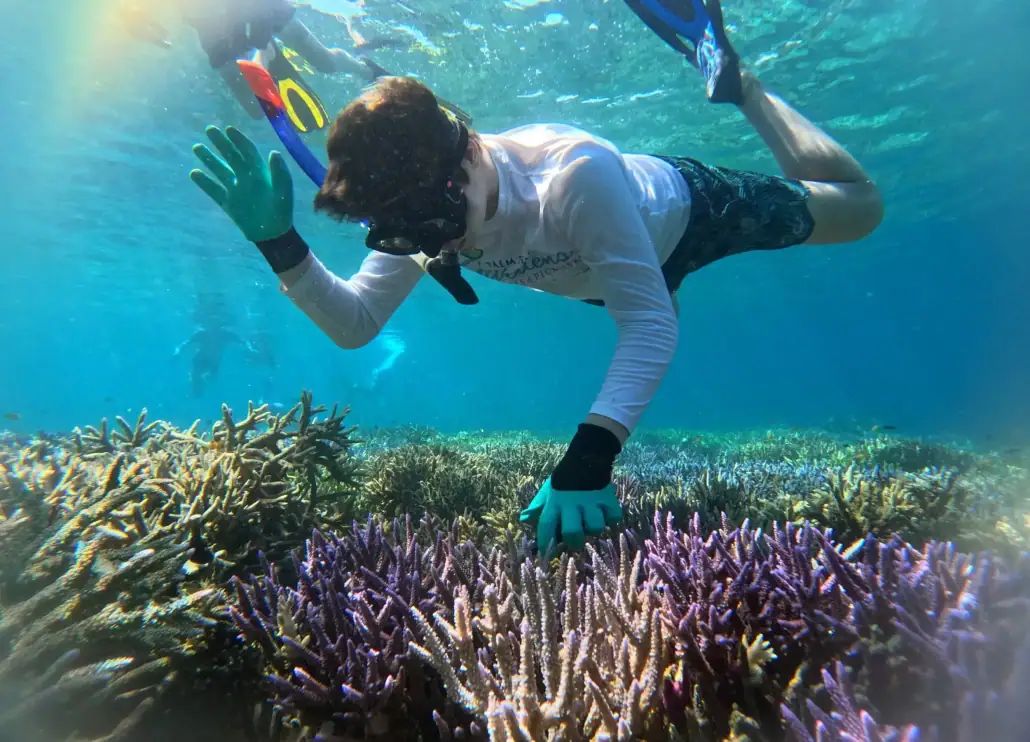
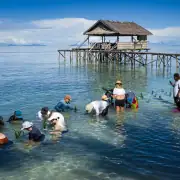
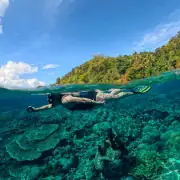
Abdullah leads us snorkeling towards the shallow waters off Hatamin Island, on the coast of Komodo. From the surface, we can see countless colourful fish swimming around healthy, branching coral. These coral colonies are now home to reef fish and many other marine creatures. In fact, this is part of the restoration site that SeaTrek guests have been supporting since 2023.
“The previous generations were practicing dynamite fishing, but now the coral has begun to grow back,” Abdullah says. For Abdullah, this area represents something personal. As a reef warden who was once involved in fishing himself, this ecosystem is a source of pride for him and his community.
“I feel more secure, I see more fish, and the fishermen are able to fish closer to home again,” Abdullah says. We captured Abdullah’s mission to protect the ocean in his own backyard in our Local Hero Series.
Edy
Not far from Hatamin Island, Edy and his team came aboard Katharina and Ombak Putih to tell the story of their conservation initiative, which started during Covid on Pimpe Island, Komodo. He proudly showed us the coral that his community planted as an act of resilience during COVID-19, which has now started to grow.
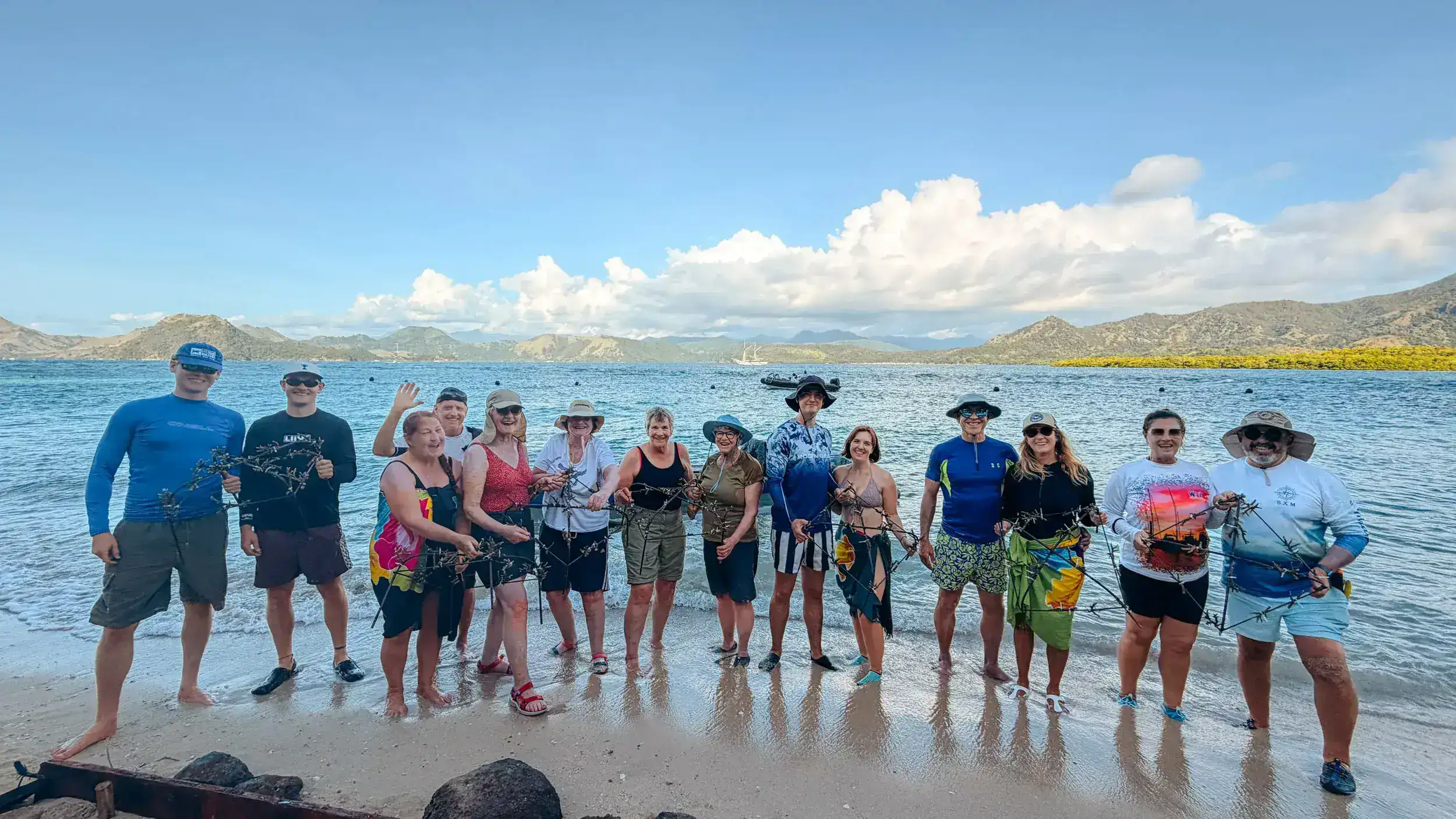
Join the coral restoration project. (Agustina Siringoringo/SeaTrek Sailing Adventures)
On land, his team also manages a group of coconut sellers on the island, offering fresh coconuts to guests who have just finished the activity. Edy and his team use the sellers’ hut to run an educational briefing before the coral planting begins.
At SeaTrek, we believe in leaving a place better than when we found it. Coral restoration has become part of many of our itineraries, creating a direct connection between guests, marine ecosystems, and the local conservation communities who care for them. The steel racks, covered in colourful, growing coral, are evidence that something larger is happening: a community-led restoration that is growing an economy alongside the reef.
Marian and Wahyuda
In the Banggai area, on the eastern coast of Central Sulawesi, Marian and Wahyuda lead the initiative. They come aboard to explain how coral regenerates from cut fragments, from fragments to a healthy colony. They were trained by other partner organizations and now run the programme on the ground themselves. The method relies on steel racks: stable, low-cost, modular structures that hold the fragments secure while they grow.
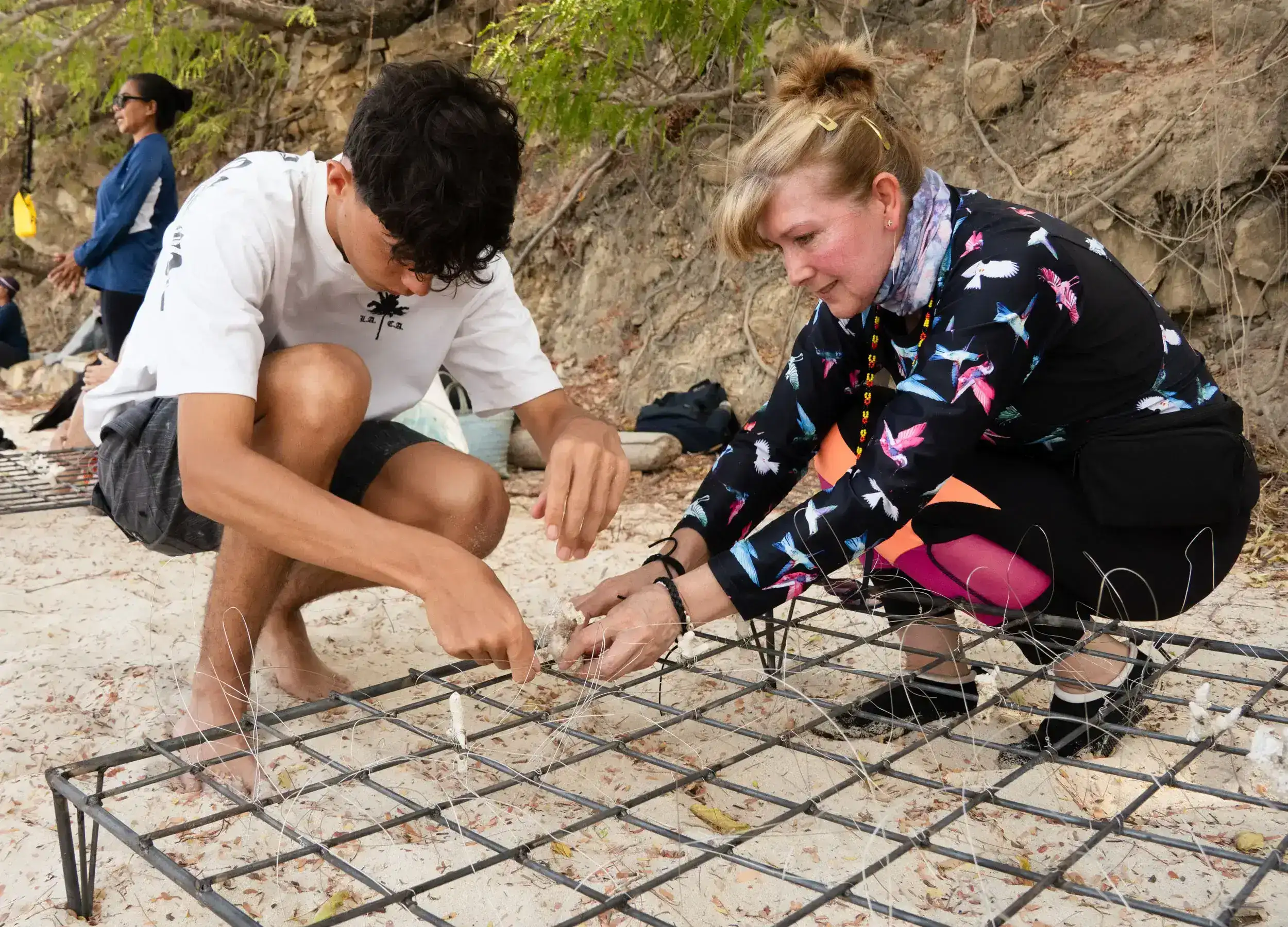
Helping a Seatrek guest with coral restoration. (Hizkia Hukom/SeaTrek Sailing Adventures)
Success is measured by more than survival rate, growth rate, and coral cover over time; Marian and Wahyuda’s team also tracks fish biomass and invertebrate return as a secondary indicator. Coral restoration is a technique for coastal protection and for the economic resilience of coastal communities.
How Can Your Travel Help?
Tourism is the funding mechanism behind that protection, tied to a transparent process that guests are part of.
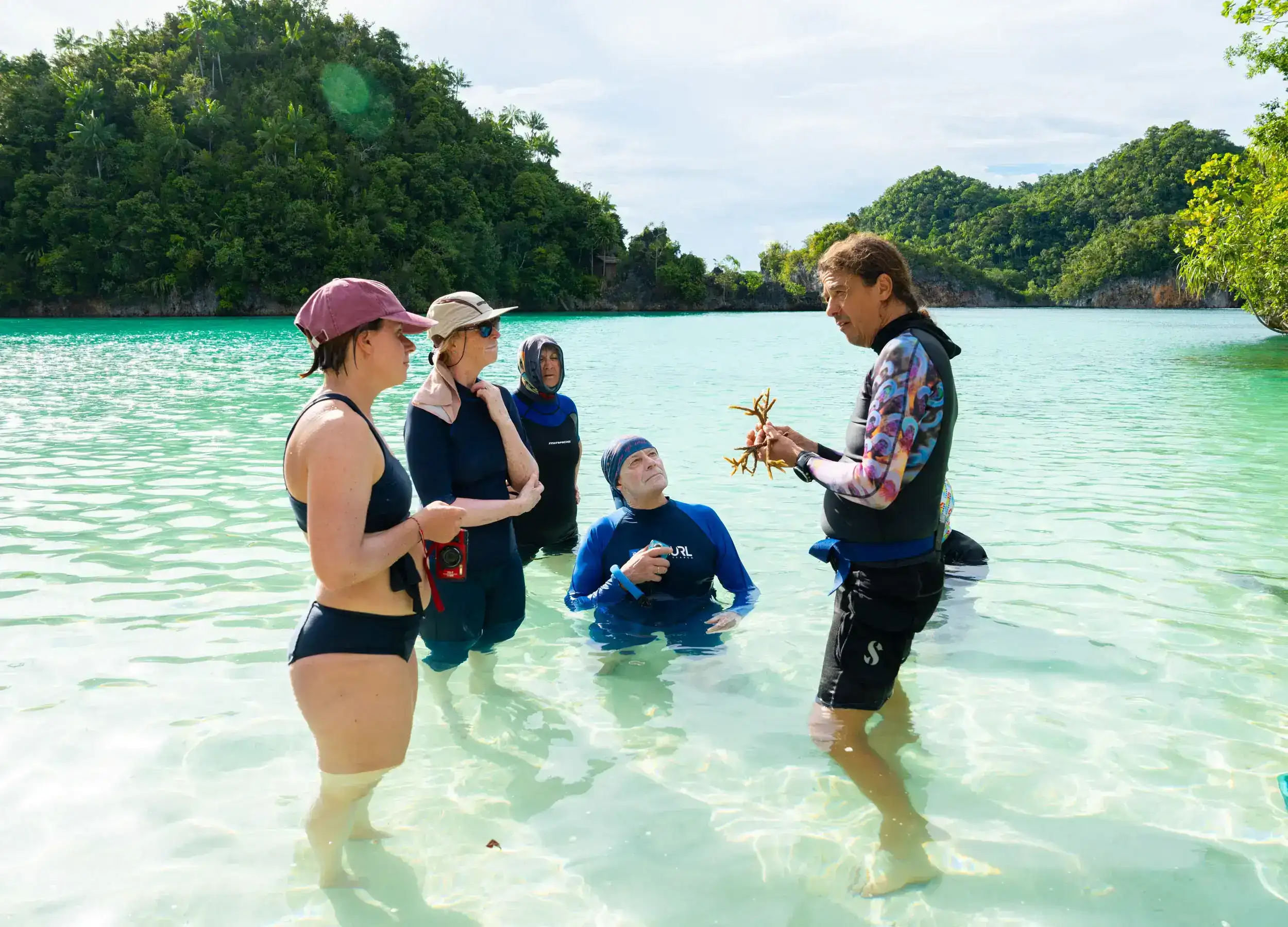
Our onboard expert, Vincent Chalias, explains about coral to guests. (Hizkia Hukom/SeaTrek Sailing Adventures)
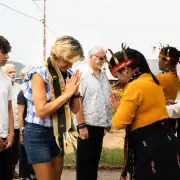
SeaTrek guests are invited to join our coral planting activities and educational talks led by our local partners. SeaTrek warmly welcomes our community partners, whom we call Local Heroes, on board to introduce their work, explain coral ecology, and guide guests through the planting process. For them, coming on board is a unique experience, one that builds a real sense of bonding. The interaction during the planting activity gives them a chance to feel proud, showcasing their efforts in protecting the reef.
We encourage our guests to stay connected with our local partners. After the activity, guests can continue supporting the coral restoration work and community initiatives by following the communities’ own communication channels, or through updates on SeaTrek’s website and monthly magazine.
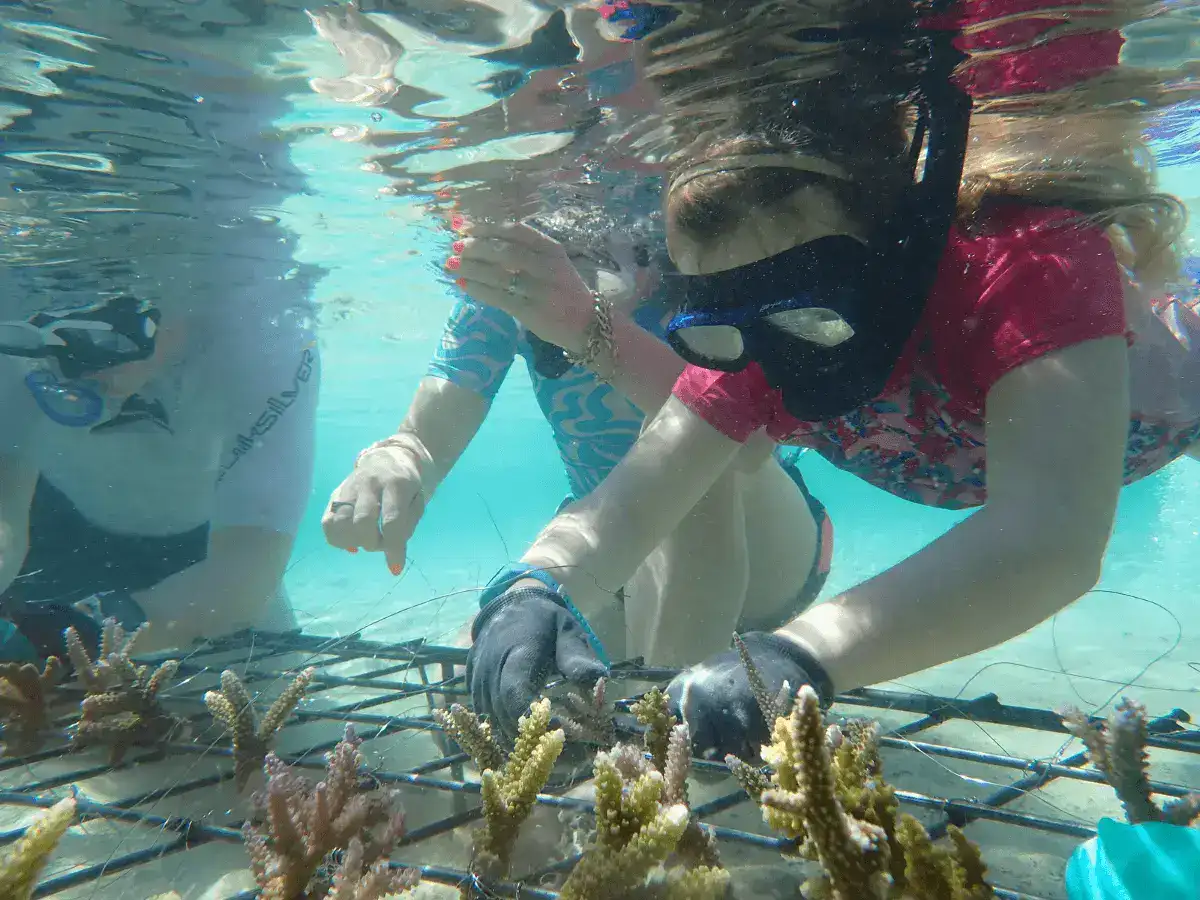
Coral planting with the Coral Guardian at Hatamin Island. (SeaTrek Sailing Adventures)
To date, SeaTrek has planted more than 4,000 coral fragments across hundreds of steel racks and has supported local communities to carry the work forward. However, SeaTrek’s goal has never been the numbers, but the impact on Indonesia’s shoreline protection and on the communities whose lives depend on it.
 Peter McCarthy/SeaTrek Sailing Adventures
 (Dion Luas/SeaTrek Sailing Adventures)
 Murray Spence/SeaTrek Sailing Adventures
 Hizkia Hukom/SeaTrek Sailing Adventures
 (SeaTrek Sailing Adventures)
 (Tinae Siringo-Ringo/SeaTrek Sailing Adventures)
 Joshua Edwards/SeaTrek Sailing Adventures
 (Agustina Siringoringo/SeaTrek Sailing Adventures)
 Hizkia Hukom/SeaTrek Sailing Adventures
 (Gibbs Kuguru/SeaTrek Sailing Adventures)