Here be Dragons: An Indonesian Adventure
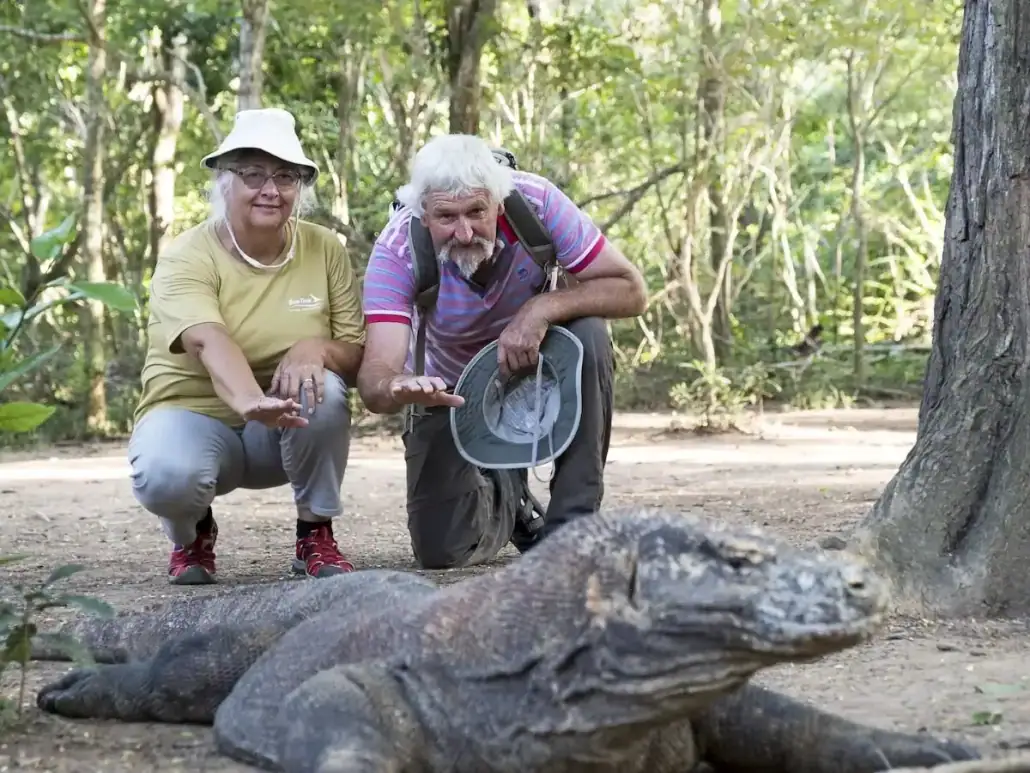 (SeaTrek Sailing Adventures)
By Ray Hale
I WOULD have you imagine for a moment that the year is not 2019, but 1719. You are an English sailor on board a trading ship of the East India Company for Ternate to pick up a cargo of fine spices and oriental silk. Such a cargo will bring a high price back in the markets of Europe.
With little or no way of preserving food, spices are convenient if not costly commodities that at least take away the rancid taste. The fashionable gentry of the post Renaissance cities of Europe crave finery and Chinese silk. Although such voyages are often fraught with danger they are indeed lucrative.
In 1719, the ‘Jacobite Uprising’ in England has been suppressed and the last few remnants of an invading army have been routed at the battle of Glen Shiel, whilst the renowned author Daniel Defoe has published his seminal work, ‘Robinson Crusoe’ – a tale of desert islands and shipwrecks.
Of course such things do not concern you and, as an uneducated sailor, you harbour no political intent for; indeed, you are more preoccupied with the tales that the older seadogs tell during the long hours of the night watch.
Komodo Island has much to offer other than giant lizards
Stories as tall as the mizzenmast fill your head but you simply cannot but wonder if any of them may just be true.
The old sailors tell tales of beautiful mermaids waiting to charm you to a watery grave with their Siren songs or stories of the sea monster known as the Kraken that will drag your ship to the depths of Davy Jones’ locker.
As you pass through the Sea of Flores that sits between the Moluccas islands to the north and the island chain of Indonesia to the south, there is one story told around the fiery brazens in the small hours that you cannot shake.
It tells of an island that lies over 100 leagues to the south; an island so wild and unexplored that even the natives on surrounding islands will not set foot upon its pure white sands.
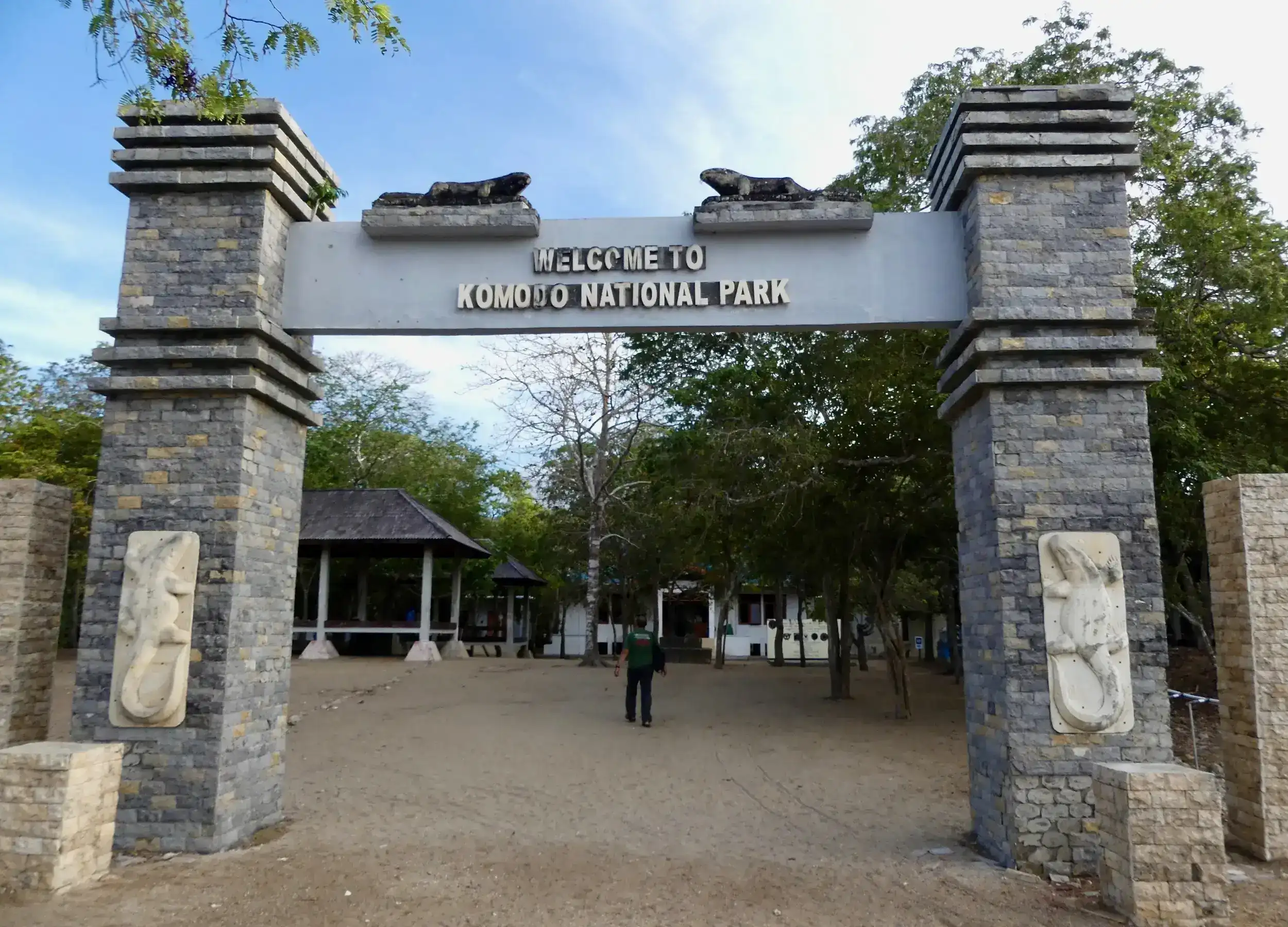
Komodo National Park entrance. (Jason Lye/SeaTrek Sailing Adventures)
An island inhabited by fearsome fire-breathing dragons that are worshiped as gods by the savage headhunting cannibals, who build shrines to these fearsome beasts and offer human sacrifice of those whose ships have been wrecked upon the jagged rocks.
Can it possibly be true that dragons three times the size of a man with wings of leather sit perched high in the trees surveying their hellish kingdom. No, it simply cannot be true – or can it?
Whatever the truth, you are glad when daylight breaks and your ship turns northwards away from these mysterious waters.
You will happily face the sirens and sea monsters another day and the secret of the island of Komodo will stay hidden for almost another 200 years.
Our Adventure
Today, in 2019, as we enter the Sea of Flores having travelled from the island of Bali, the waters are still.
We have been blessed with good weather and calm seas since our traditional wooden ‘pinisi’ ship ‘The Katharina’ slipped out of the idyllic Jemuluk Bay and crossed the Lombok Straits.
It anchors off the beautiful, if not windswept, Pulau Kenawa to allow us to slip into the warm sea to marvel at the still untouched coral beneath.
Our next stop will be Satonda – a strange and mystical volcanic island with its magnificent sunken crater and salt water lake.
Local people believe Satonda to be magical and, with the mysterious encapsulated lake surrounded by ‘wishing trees’, who could deny them?
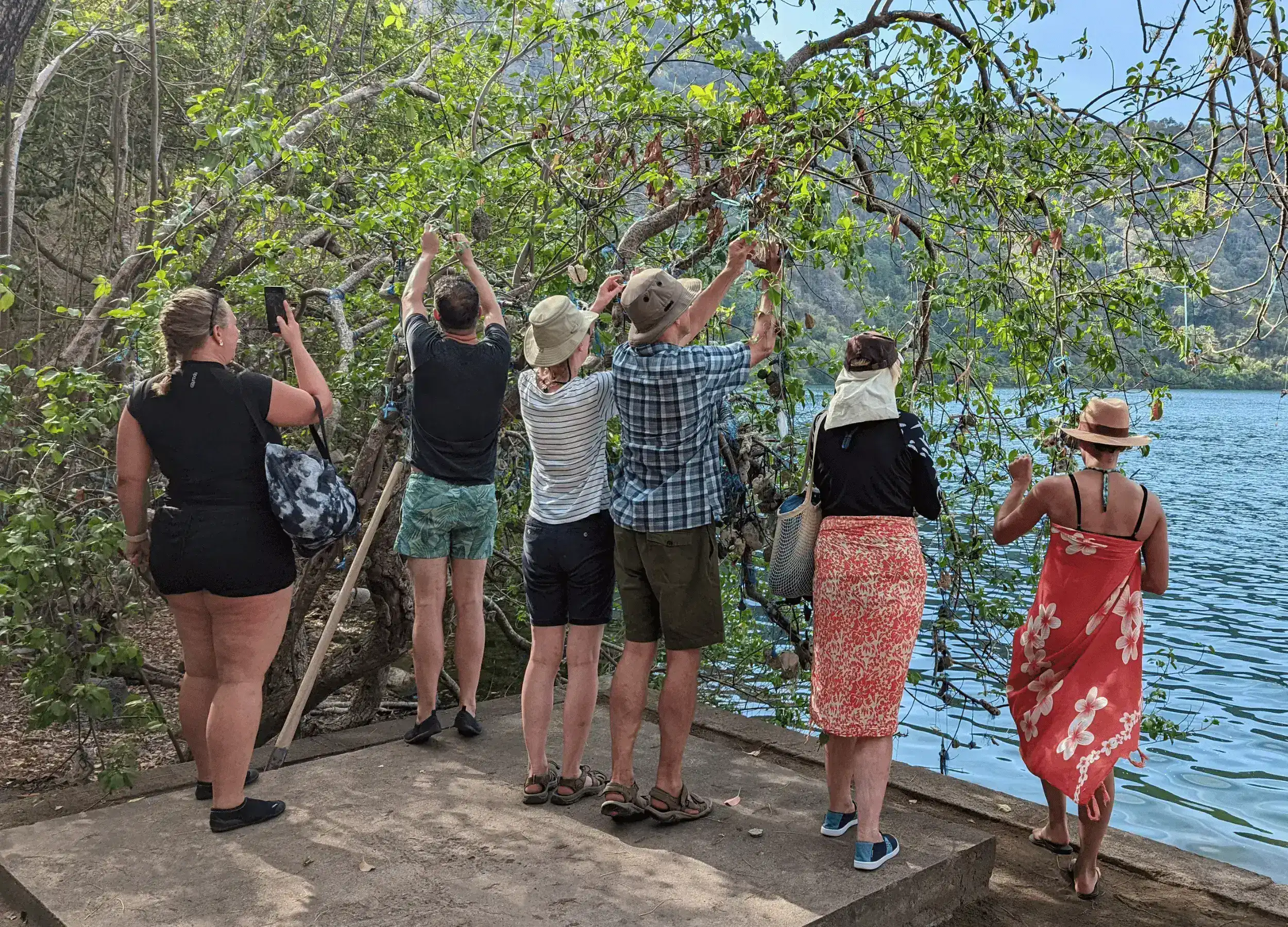
Satonda Lake wishing trees. (John Loverink/SeaTrek Sailing Adventures)
For it is here that a century of fleeting visitors to the island have tied small stones to the trees and made a wish. It is said that for the wish to come true, you must return to the island one day. I certainly intend to return. Hoards of brightly coloured butterflies drift effortlessly across the surface of the lake and hundreds of flying foxes hang from the trees atop the surrounding hills gently fanning themselves in an effort to keep cool.
It is easy to imagine how the old sailors would have felt as their sailing ships slipped effortlessly through the mirror like waters and anchored at this strange place.
Perhaps they too would have made the short climb to the lip of the crater and offered a prayer to whatever God they worshipped.
In the distance, we see huge mountains rising up from the sea with a plume of smoke drifting into the sky. This is Pulau Sangean, an active volcano rising 500m from the sea. It is wise to remember and understand that you are on the Pacific’s ‘Ring of Fire’ after all. The ships bell signals it is time to leave our wondrous playground and set sail further east. We rise early to witness a unique view that I doubt I will ever see again and one that will stay in my heart forever. The sun rises to my left and the moon sets to my right. This is Komodo Island but I see no monsters, no warriors lying in wait and where are the flying dragons of old. As I stand on the deck of this beautiful craft, I reflect that sometimes it would be nice to be oblivious of the trappings of modern day knowledge and for a moment I am a pirate, a sea captain, an explorer viewing this paradise for the first time.
I consider myself fortunate indeed. Invited to lead this cruise as the ships naturalist, for the SeaTrek Sailing Adventures, I have been able to breath in sights that I would never have dreamed of. In return, I share my knowledge of the wildlife that I have acquired on my many travels in the area with those willing to listen.
The Komodo Dragon
It is hard to imagine that this amazing place had remained almost unknown and untouched until 1910 when one Lieutenant Henri van Steyn van Hensbroek received word of a dragon of unusually large proportions living on the nearby island of Komodo. Determined to see for himself, he set out for the island. He was surprised when instead of headhunters, he found peaceful fishermen and the ‘dragons’, despite their undisputable size, were simply large lizards.
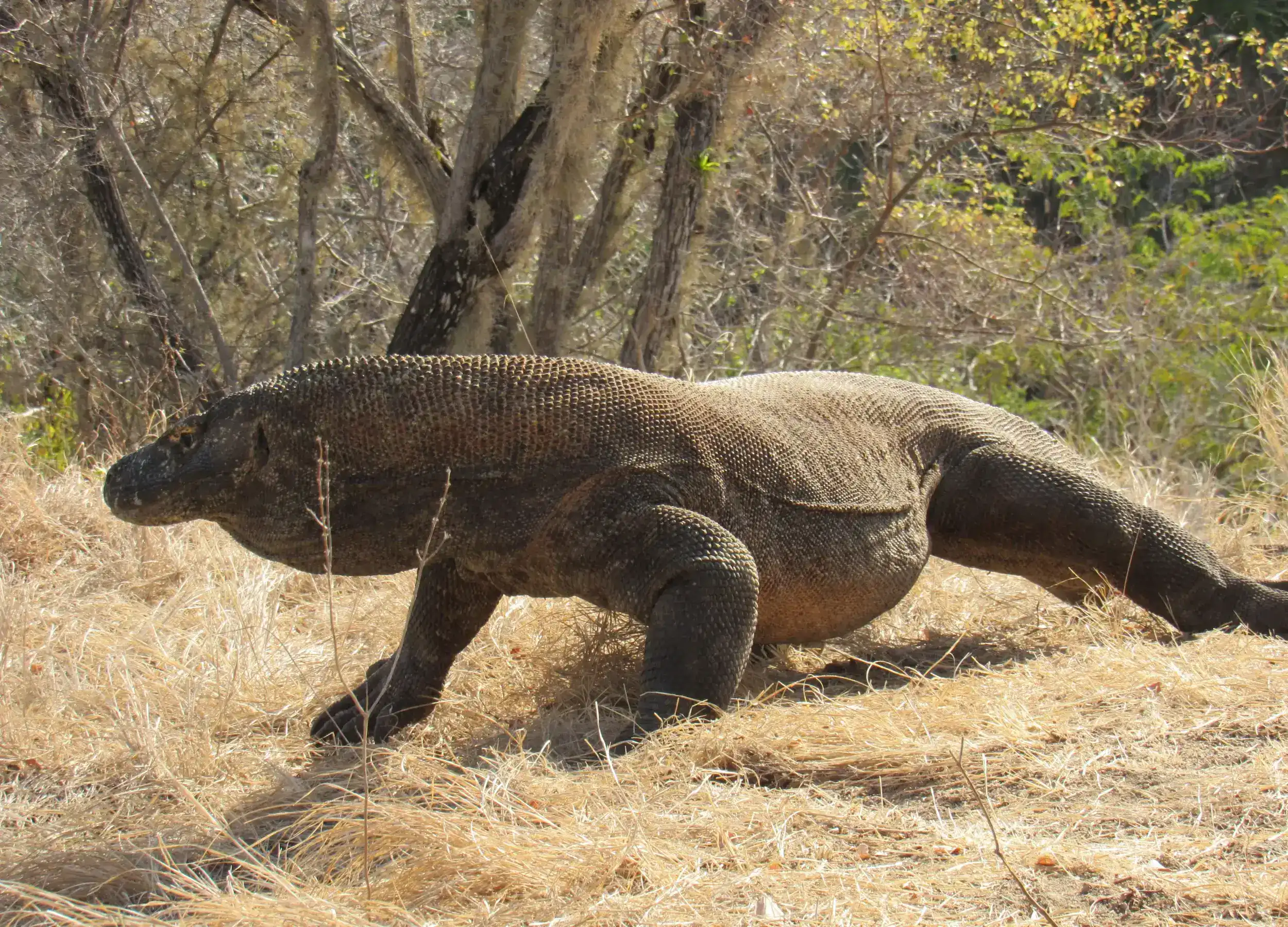
A Giant Komodo Dragon. (Tim Jolly/SeaTrek Sailing Adventures)
He sent a photo and the skin of the animal to the Java Zoological Museum and Botanical Gardens. The animals were not crocodiles or dragons, but were – as he suspected – monitors. Realising that this animal was new to science, Pieter Ouwens published the first description of the Komodo Lizard, Varanus komodoensis’.
By 1926, Douglas Burden an American entrepreneur and big game hunter, had visited the island to capture a live specimen. He later described his experiences in ‘National Geographic’ magazine and coined the term ‘Komodo Dragon’. On his first sighting of the island he exclaimed: “It appeared through the mists as a vast mass of torn and splintered mountains.”
Today, such a description still serves well as the island looms menacingly above us. The ‘splintered mountains’ stand like the backdrop for some modern-day horror film. Edgar Wallace would later draw inspiration from Burden’s descriptions for his blockbuster film ‘King Kong’. As our ‘Zodiac’ dinghy gently beaches, a large Komodo dragon lumbers slowly along the shoreline. His huge frame covered in a thick leathery skin. Powerful legs, tipped with razor claws, make light work of the soft sand. He marches ever on. He has little or no interest in these strange two-legged creatures with whirring cameras and mobile phones. He has breakfast on his mind. As I watch in awe, I am intrigued to know why anyone would believe that these creatures could breathe fire or indeed fly. One look at the long yellow and red forked tongue that shoots out tasting the air answers my first question and as I soon see that baby Komodo dragons do indeed live in trees until they are big enough to protect themselves from hungry adults. My second question now seems to make sense.
The island is now much managed and the rangers whilst keen to show the visitors the dragons and other flora and fauna, are also aware that the dragons on the island are not caged and wander freely. Paths have been made that allow the visitor to stroll comfortably around the welltrodden routes that lead to the ‘holding’ area for the dragons.
Here five large dragons can be seen basking in the hot sun. It is wise not to get too close as they are capable of amazing bouts of speed when required. An elderly American gentleman quips: “Hey son, do you think you can out run them?”
My response that I need only to outrun him seems lost in translation. But of course Komodo Island has much to offer other than giant lizards. Botanists can marvel at the unique flora of the island, such as the ‘lontar’ palms or the Chinese apple trees.
The naturalist will be thrilled by the unique habitat that suits the dragons perfectly and allows the existence of a number of endemic wildlife species as well as many introduced species.
The avid birdwatcher may be lucky and capture a glimpse of the rare helmeted friarbird or the Wallacean drongo with its strange double tail, whilst the entomologist and arachnologist will find a myriad of fascinating insects many of which are unique to Komodo; they will also stumble into the giant golden orb weaving spider (Nephila sp.) that spins a web that is so strong that in years gone by, fishermen used it as a net to ply their trade. Keen sighted jumping spiders sit motionless until they leap for all they are worth and scurry off into the undergrowth whilst a wolf spider carrying a score of babies on its back crosses our path before taking shade from the midday sun under a rock.
All too soon it is time to leave and as we bid farewell to this unique paradise, we should remember that this planet of ours is shared by all species and it is thanks to those who have gone before us that we able to see such magnificent creatures protected in the wild in their natural habitat.
It is now our responsibility to pass the torch to those that will come after us. This adventure was possible thanks to the amazing crew of the Katharina.
If I had been a sea captain or even a pirate in 1719, I would have been honoured to have them as my crew.
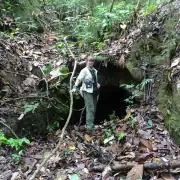 (Ray Hale/SeaTrek Sailing Adventures)
 (Shannan Vines/SeaTrek Sailing Adventures)
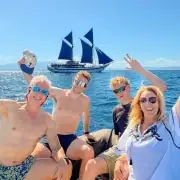 Dion Luas/SeaTrek Sailing Adventures
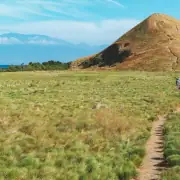 (Dion Luas/SeaTrek Sailing Advnetures)
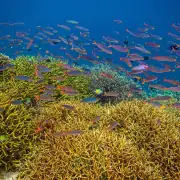 (Vincent Chalias/SeaTrek Sailing Adventures)
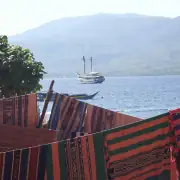 (Anastasia Louhenapessy/SeaTrek Sailing Adventures)
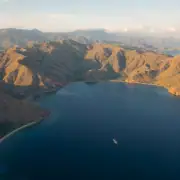 Joshua Edwards/SeaTrek Sailing Adventures
 (Dion Luas/SeaTrek Sailing Adventures)
 (Agustina Siringoringo/SeaTrek Sailing Adventures)
 (Dion Luas/SeaTrek Sailing Adventures)