• Link to Facebook
  • Link to Instagram
  • Link to Youtube
  • Link to LinkedIn
  • Link to Rss Link to Rss Link to Rss
  • Schedules
  • About Us
    • Our Company
      • Who We Are
      • Our Ships
      • Sailing for Good
    • Our Experiences
      • SeaTrek Experience
      • FAQs
    • Our People
      • Tour Leaders
      • Experts
      • Our Crew
      • Local Heroes
  • Our Cruises
    • All Cruises
    • Schedules
    • Super Trips
    • Charters
  • Media
    • News & Stories
    • In the Press
    • SeaTrekker Magazine
    • Gallery
    • Videos
  • Contact
  • Click to open the search input field Click to open the search input field Search
  • Menu Menu
Nature Lovers

Beautiful Cockatoo in Komodo Island

Yellow-crested cockatoo in Komodo Island(Dion Luas/SeaTrek Sailing Adventures)

When you’re visiting Komodo Island, make sure you’re not so busy looking for komodo dragons that you miss out on observing some of the beautiful birdlife.

A notable white-feathered resident of Komodo Island is the yellow-crested cockatoo (cacatua sulphurea) also known as the lesser sulphur-crested cockatoo and not to be confused with its larger Australian cousin. The parrots’ namesake, Sulphurea Hill, with its spectacular outlook over Loh Liang Bay, is a great place for spotting them, and if you don’t see them you will almost certainly hear them, screeching to each other across the valley while they go about their business of the day, flying between and sitting in the treetops, stripping the leaves and bark. In the early mornings, the cockatoos usually feed on seeds on the ground. Then, as the day warms up, they head to the tree canopies.
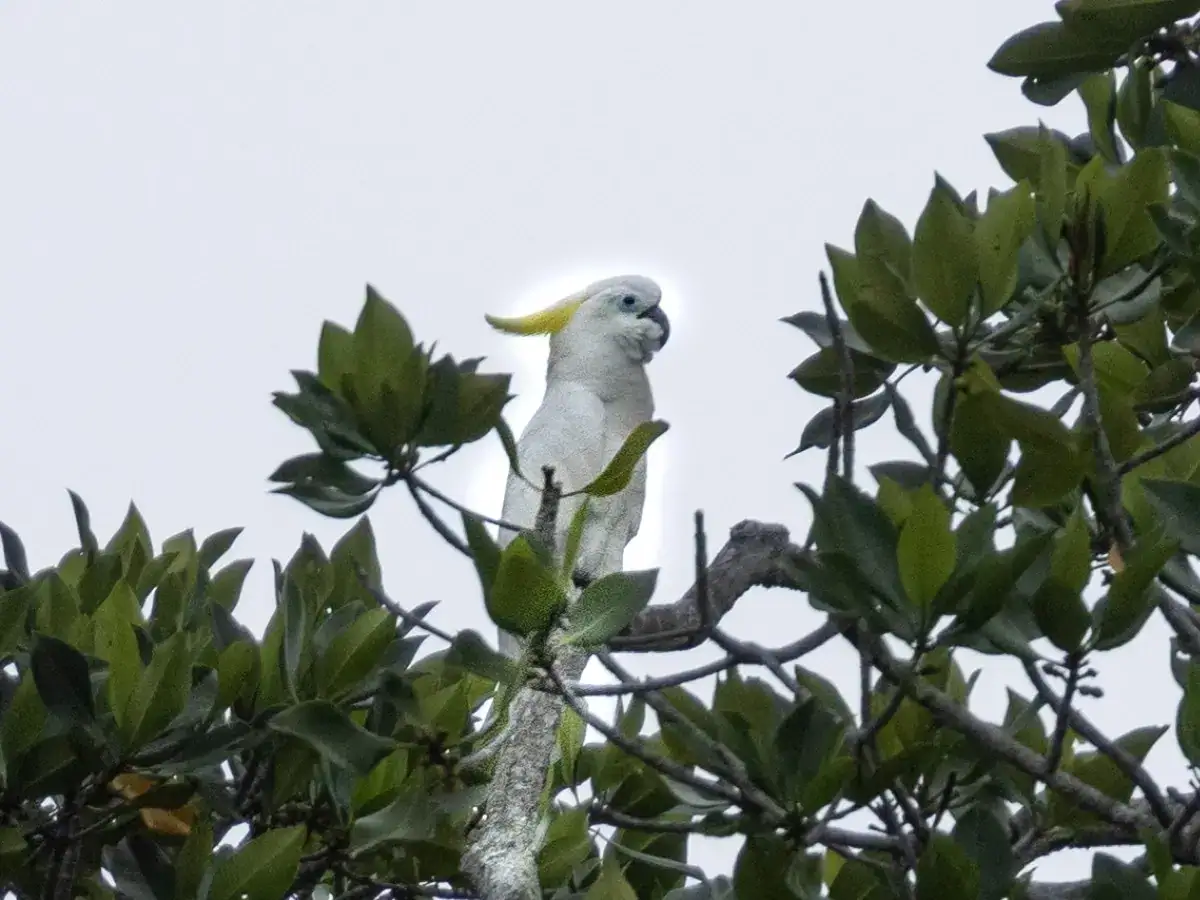
Lesser sulphur-crested cockatoo hanging on the tree

Lesser sulphur-crested cockatoo. (Thomas Wester/SeaTrek Sailing Adventures)

Later in the day, they feed again before flying back to their roosting trees for the night. Sadly, these highly intelligent parrots are critically-endangered mainly due to widespread deforestation and illegal trapping for the cage-bird trade – they make great pets. Native to Nusa Tenggara (the Lesser Sunda Islands of Eastern Indonesia), the current population of cacatua sulphurea is estimated at fewer than 1,000 individuals in the wild, and is thought to be declining in number.

Thankfully, the Komodo National Park provides protection of the habitat of a small remnant population of these wonderful birds.
Share this entry
  • Share on Facebook
  • Share on WhatsApp
  • Share on Pinterest
  • Share on LinkedIn
  • Share on Reddit
  • Share by Mail
  • Visit us on Yelp
You might also like
Angela Hale(Ray Hale/SeaTrek Sailing Adventures) Meet The Real Spiderwoman
a dad and daughter enjoy family snorkeling trip(Agustina Siringoringo/SeaTrek Sailing Adventures) But I Could Never Do That. That’s Right? Until You Try
SeaTrek guest swimming with manta rays(Nita CJ/SeaTrek Sailing Adventures) Swimming with Manta Rays
Kenawa Island, Sumbawa, Indonesia.(Dion Luas/SeaTrek Sailing Advnetures) Paradise Found in Kenawa Island
Visiting the Melo VillageHizkia Hukom/SeaTrek Sailing Adventures Cultural Ecology as a Way of Thinking

SeaTrek - Indonesia indpendence day group photo(SeaTrek Sailing Adventures) A Unique Celebration of Indonesia’s Independence
SeaTrek guests swimming with a manta named Ombak Putih(SeaTrek Sailing Adventures) A Manta Named Ombak Putih
SeaTrek Ombak Putih full seven sails up.(SeaTrek Sailing Adventures) Keeping Traditions Alive with Marine Tourism

The journey that stays with you

“We sail beyond the familiar, into remote seas and lesser-known shores. Adventure unfolds naturally, one island and encounter at a time. If this way of traveling speaks to you, we’d love to hear from you.”

  • Calendar Calendar

    Book An Initial Call
    Available anytime

  • Email Support
    info@seatrekbali.com

Home›News & Stories›Nature Lovers›Beautiful Cockatoo in Komodo Island

Our Company

  • Who We Are
  • Our Ships
  • Sailing for Good

Our Experiences