Amazing Animals in Komodo National Park You Can Find Besides the Komodo Dragon
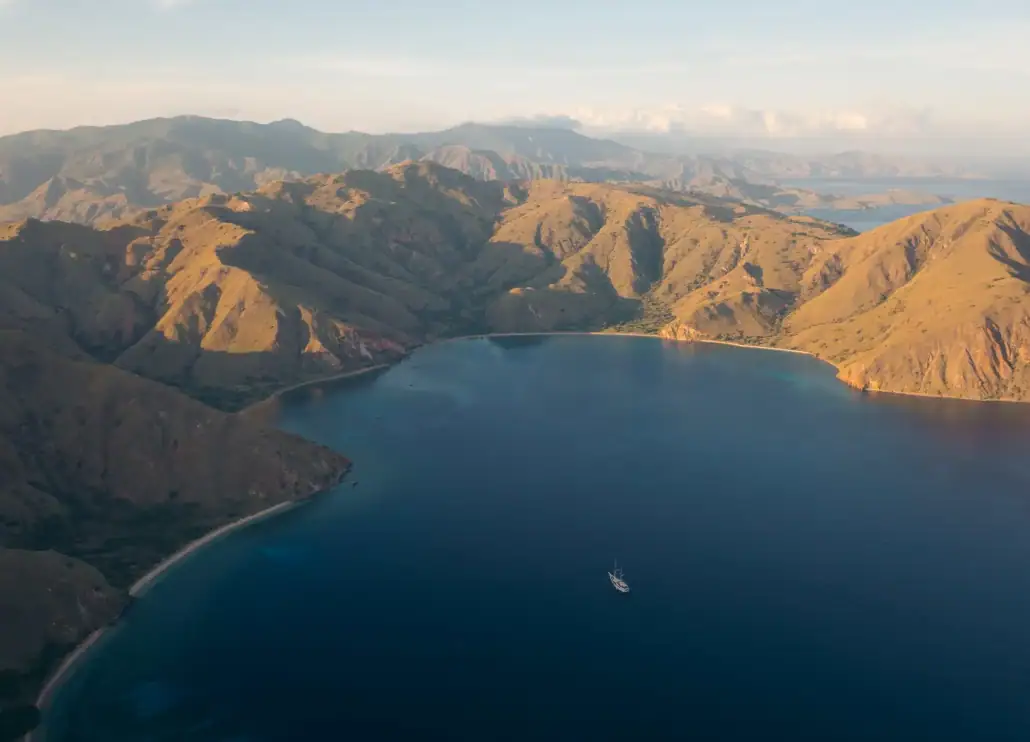 Joshua Edwards/SeaTrek Sailing Adventures
By Abd. Wahab
You might know that Komodo National Park is home to Komodo Dragons. This national park was founded in 1980 to conserve and protect around 3000 to 5000 of the world’s remaining giant lizards. Later, the park was dedicated to conserving unique biodiversity and other animals in Komodo.
On the land of Komodo National Park, you can encounter many animals, such as Timor Deer, Asian Water Buffalo, Blue Pit Viper, Orange-footed Scrubfowl, and Crab-eating Macaques. Looking up into the air, you can spot Yellow-crested cockatoos, White-bellied Sea Eagles, and Flying Foxes. While under the ocean surface, you may come across giant manta rays or green turtles.
If you’re visiting the Komodo National Park, get your eyes focused to see the other wildlife besides the Komodo dragon. Let’s get to know them.
On Land: Wildlife That Shares the Island with Komodo
1. Wild Water Buffalo (Bubablis arnee)
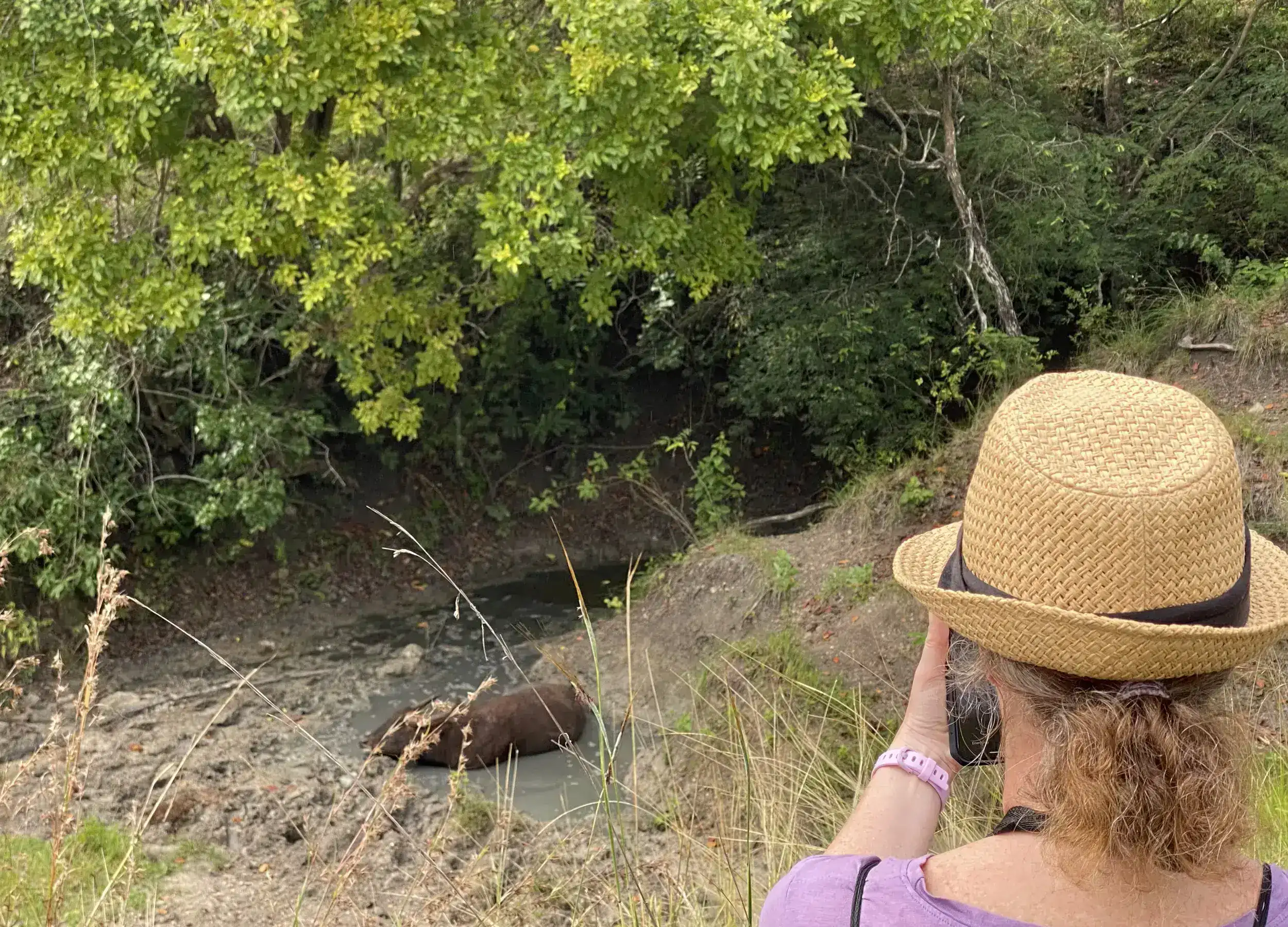
Wild Water Buffalo. (Dion Luas/SeaTrek Sailing Adventures)
Wild water buffalo (Bubalus arnee) is one of the largest animals you may encounter on Komodo. This species is native to the Indian Subcontinent and Southeast Asia. It is also known as Asian buffalo or Wild buffalo.
Similar to other kinds of buffalo, they are herbivores. Their regular diet includes plants and fruits, such as aquatic plants, cassava, peanuts, bananas, crops, grasses, herbs, leaves, and the bark of trees.
Their life expectancy can get to 40 years. But even so, they are now listed as endangered animals. Most of their threats are parasites and diseases. Also, in the Komodo National Park, they are one of the Komodo dragon’s prey.
2. Timor Deer (Rusa timorensis)
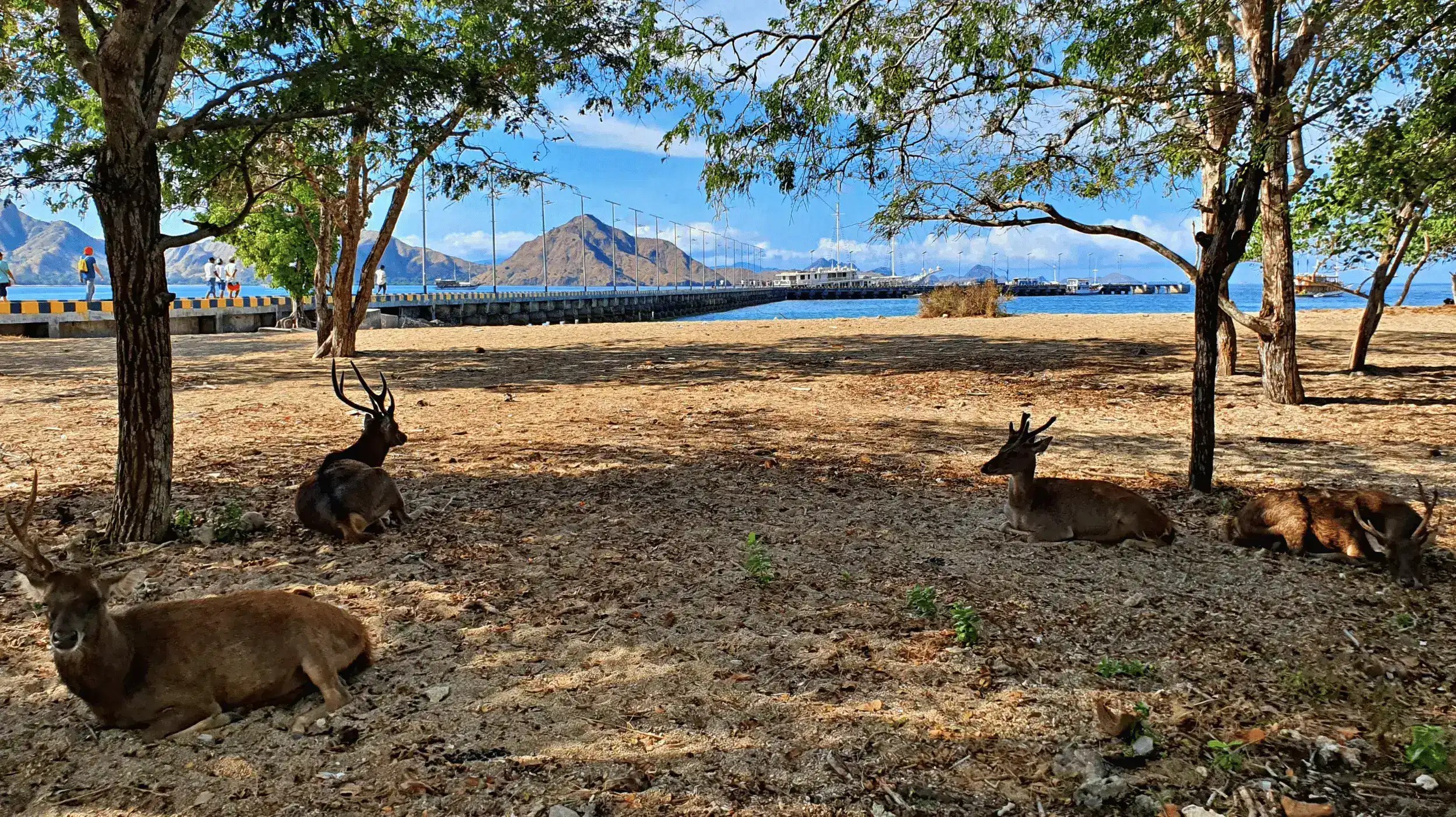
Timor deer in Komodo Island. (Alina L/SeaTrek Sailing Adventures)
Timor Deer (Rusa timorensis) is a tropical deer native to Indonesia and East Timor. They range in Java, Bali, South Kalimantan, Nusa Tenggara, Sulawesi, and Maluku.
Their habitats are in sun-dappled forests and open savanna or grassland. The topography of Komodo National Park and the tropical climate in Indonesia is the best place for Timor deer to survive.
Nowadays, the IUCN Red List lists Timor deer as a vulnerable species due to many threats, like predators such as pythons, crocodiles, and Komodo dragons.
3. Wild Boar (Sus scrofa)
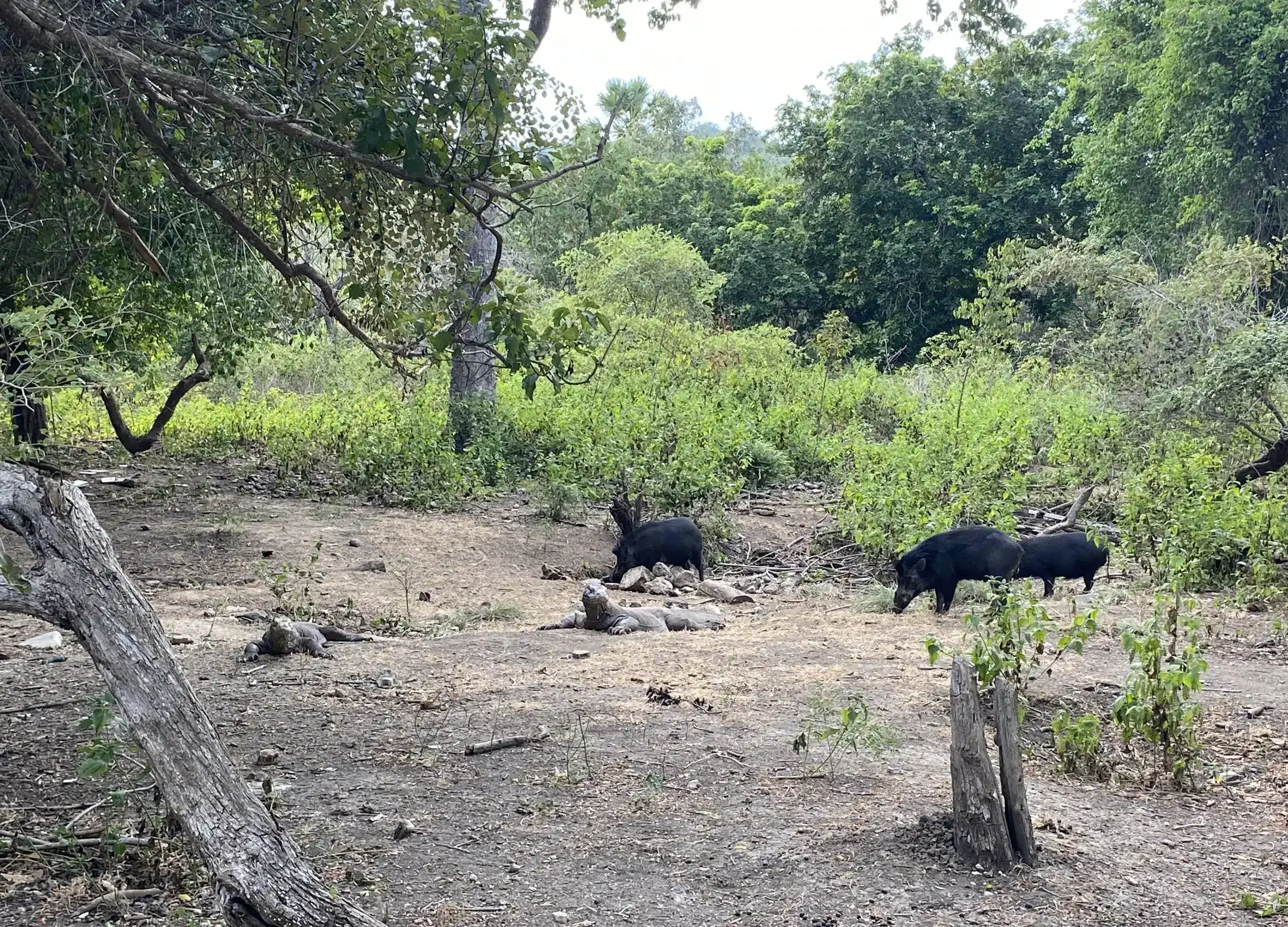
Wild Boar in Komodo. (Tinae Siringo-Ringo/SeaTrek Sailing Adventures)
Wild Boar (Sus scrofa) is one of the widest-ranging mammals in the world. They range in many countries, from Britain, Ireland, China, Japan, India, Vietnam, and Indonesia.
Besides being the widest-range mammals, they also have a high population due to their quick reproduction rates and the lack of predators. Their main predators are different depending on their natural range.
In Komodo National Park, they are also one of Komodo’s prey. However, the IUCN Red List has classified them as the least concerned species due to their wide range, high numbers, and adaptability to diverse habitats.
4. Crab Eating Macaques (Macaca fascicularis)
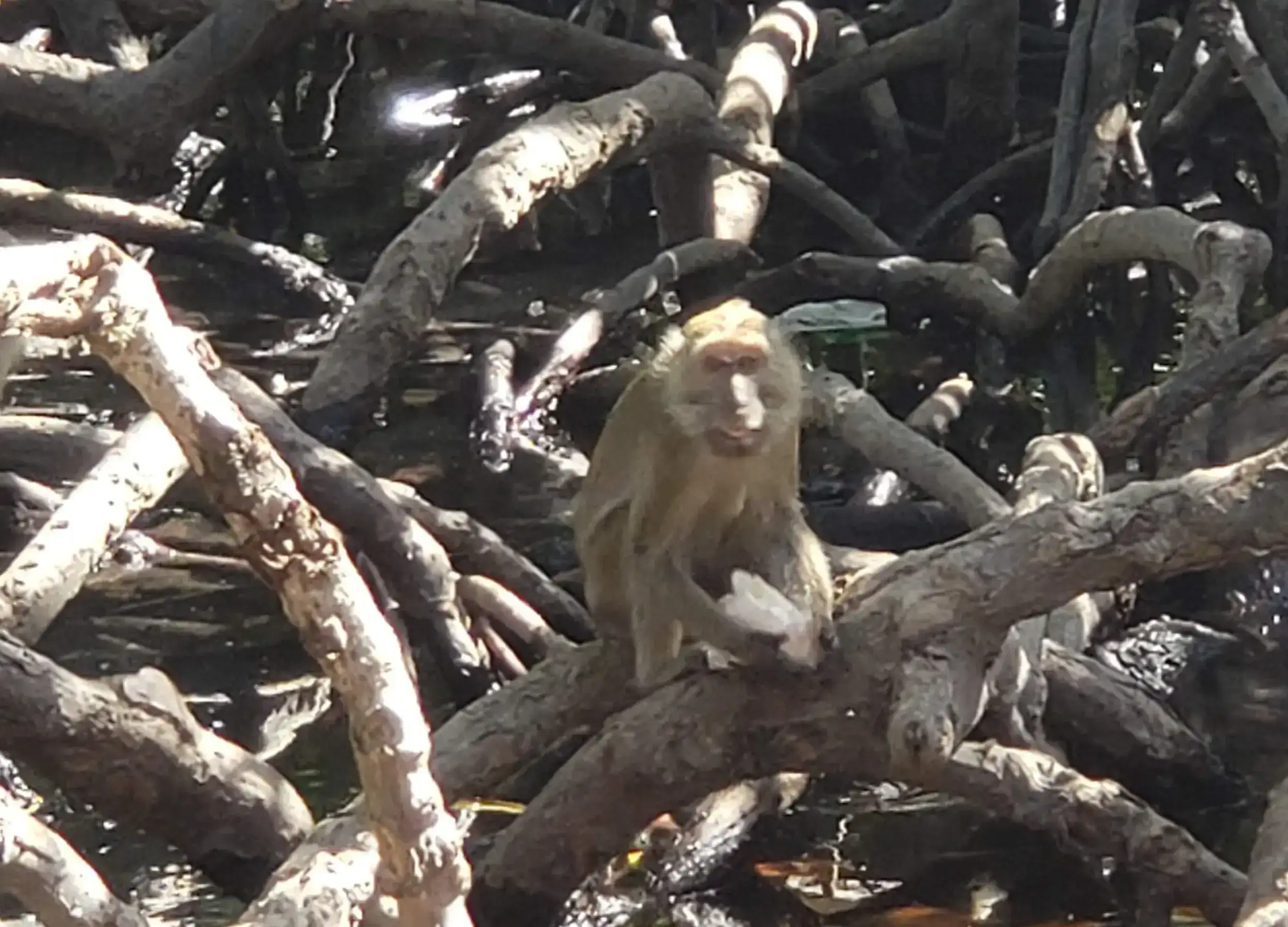
Crab-eating Macaque. (Matthew Bogdanov/SeaTrek Sailing Adventures)
Crab-eating Macaques (Macaca fascicularis) are also known as the long-tailed macaque. Their name refers to their body and eating behaviors.
They are named long-tailed macaques because their tails are longer than their body. Then, the name crab-eating macaques because they are often on the beach for crabs.
Despite their name, crab-eating macaques are rarely eating crabs. As omnivores, they eat animals and plants, including fruit, seeds, leaves, flowers, roots, and barks. Sometimes, they also prey on birds, lizards, frogs, and fish.
5. Pit Viper (Trimeresurus Insularis)
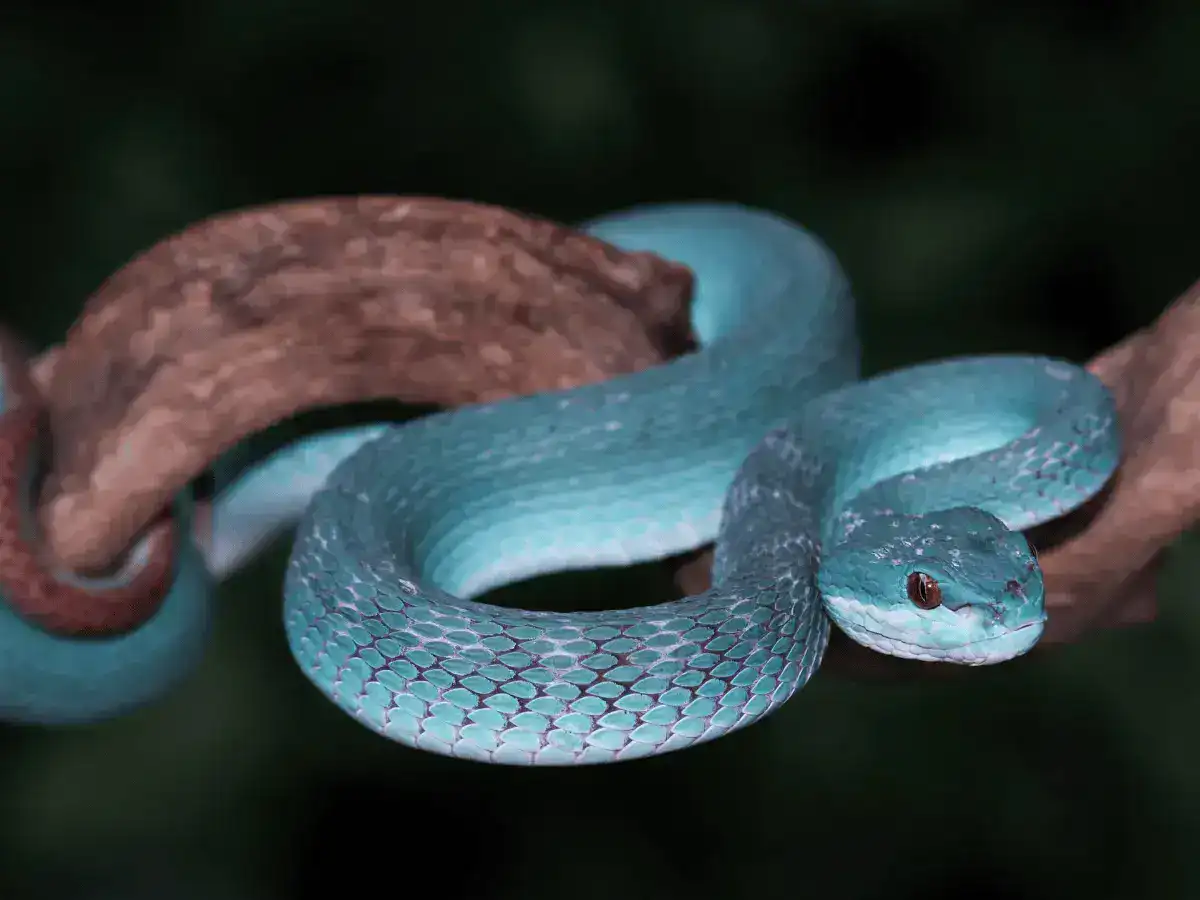
Pit Blue Viper. (Google)
The Pit viper (Trimesurus insularis) also known as the Indonesian pit viper or Lesser Sunda Islands pit viper, is a snake species in East Java and the Lesser Sunda Island, including the Komodo National Park. They inhabit dry monsoon forests as well as tropical moist forests.
These snakes’ colors are green or blue. They have a thin body and prehensile tail and can reach a length of 50-71 cm. Although they have a beautiful appearance, if they’re disturbed or approached too close, they will take an S-shape, open their mouth, and may bite.
The Pit Viper is a venomous species. They use their venom when hunting for food, such as mice and lizards. For human, even their venom rarely can cause death, but their bite can cause pain such as swelling, necrosis of the flesh, and severe bleeding.
6. Komodo Rat (Komodomys rintjanus)
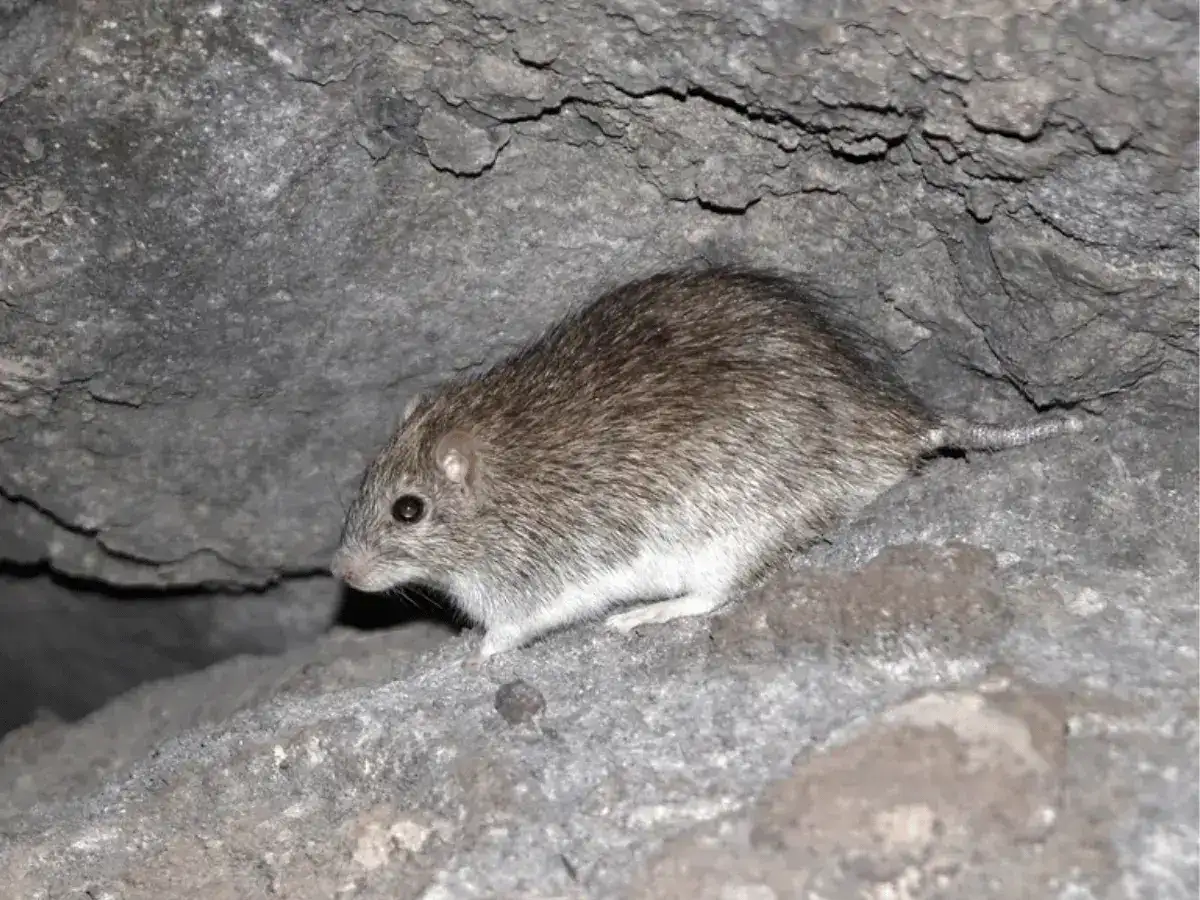
Komodo Rat. (Google)
The Komodo rat (Komodomys rintjanus) is one of the endemic animals in Komodo. They can only be found in the Lesser Sunda Islands of Indonesia, specifically in the Komodo National Park region, which includes Rinca Island, Padar Island, and Pantar Island.
In the Air: Flying Mammals and Birds in Komodo
7. Yellow-crested Cockatoo
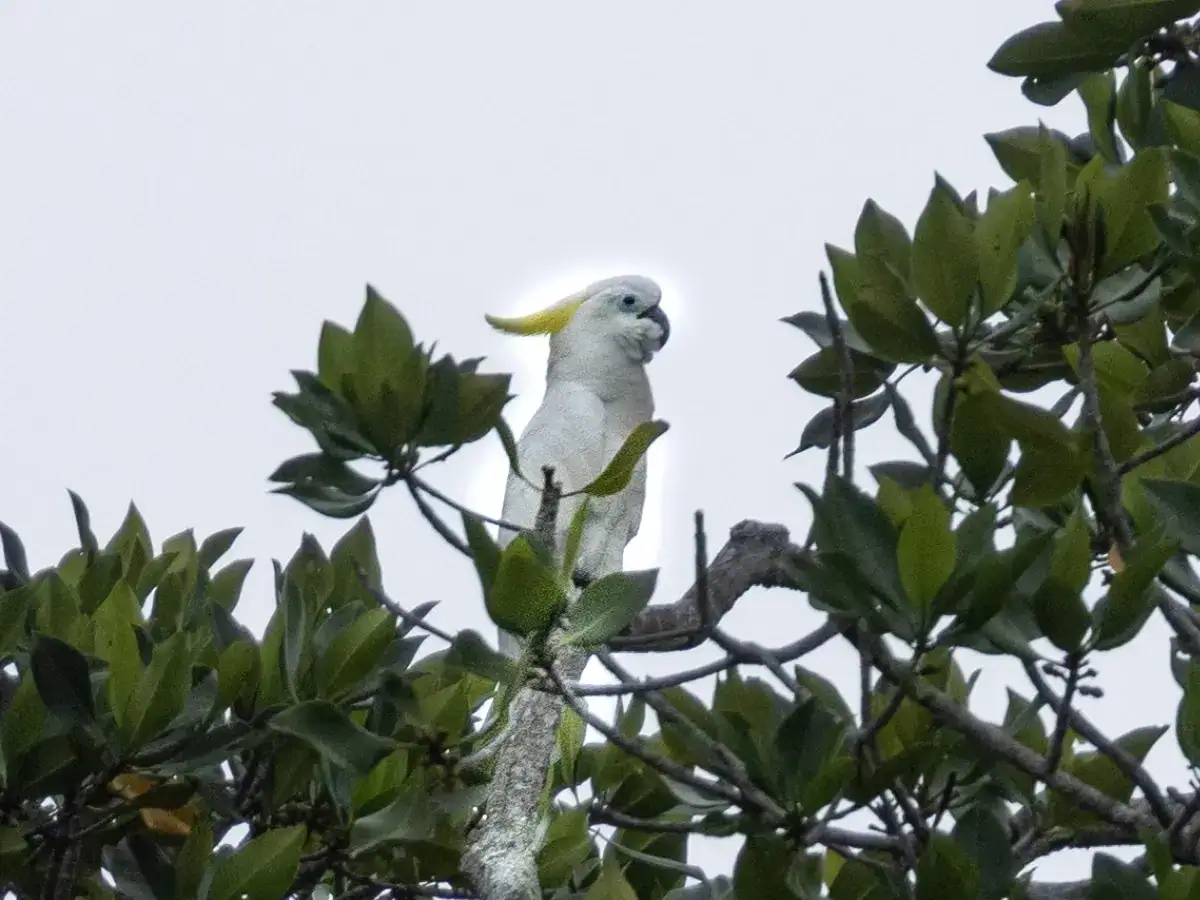
Yellow Crested Cockatoo. (Thomas Wester/SeaTrek Sailing Adventures)
Yellow-crested Cockatoo (Cacatua sulphurea) is endemic to East Timur, Lesser Sunda, and Sulawesi. They can be found in several national parks in Indonesia, including Komodo National Park.
Between 1980 and 1992, over 100,000 birds were legally exported from Indonesia, leading to a significant decline in their population. As a result, they are listed as critically endangered species.
Therefore, the Yellow-crested cockatoo also become one of the main protected species in Komodo National Park besides the Komodo dragon. There are around 1031 individuals that live safely in the Komodo National Park region, including Komodo Island, Rinca Island, and Bero Island.
8. Orange-footed Scrubfowl (Megapodious reinwardt)
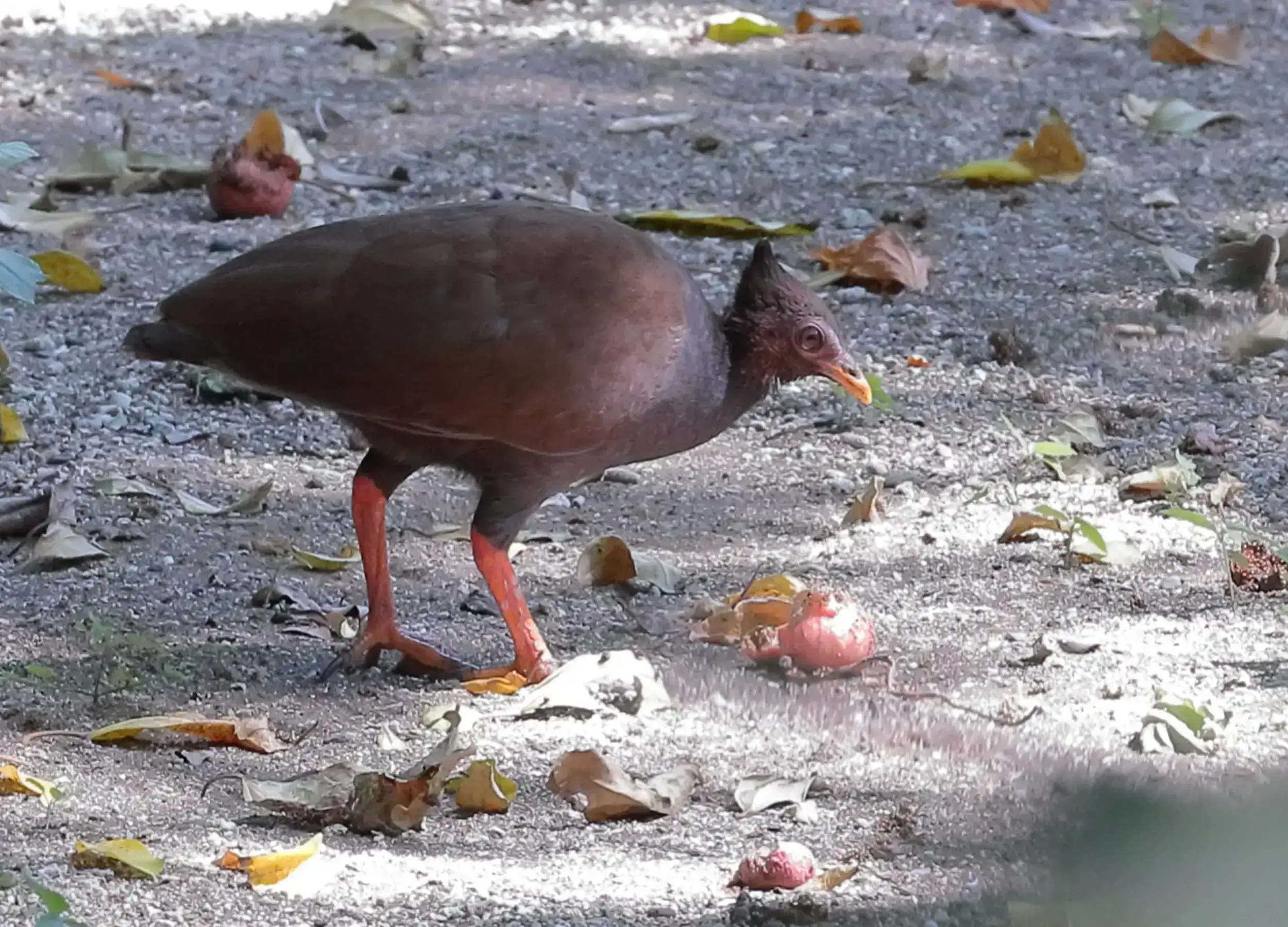
Orange-footed Scrubfowl. (Philippe Defernez/SeaTrek Sailing Adventures)
Orange-footed scrubfowl (Megapodious reinwardt) is one of the bird species you can find in Komodo National Park. This bird is native to many places in the Lesser Sunda Island, New Guinea, and Northern Australia.
Orange-footed scrubfowl are ground-dwelling birds the size of domestic chickens. They can be identified easily with their orange legs and pointed crest at the back of the head.
They feed on the ground and use their strong legs to rake the ground for seeds, berries, and roots. Sometimes, they also eat snails and beetles.
9. White Bellied Sea Eagle (Haliaeetus leucogaster)
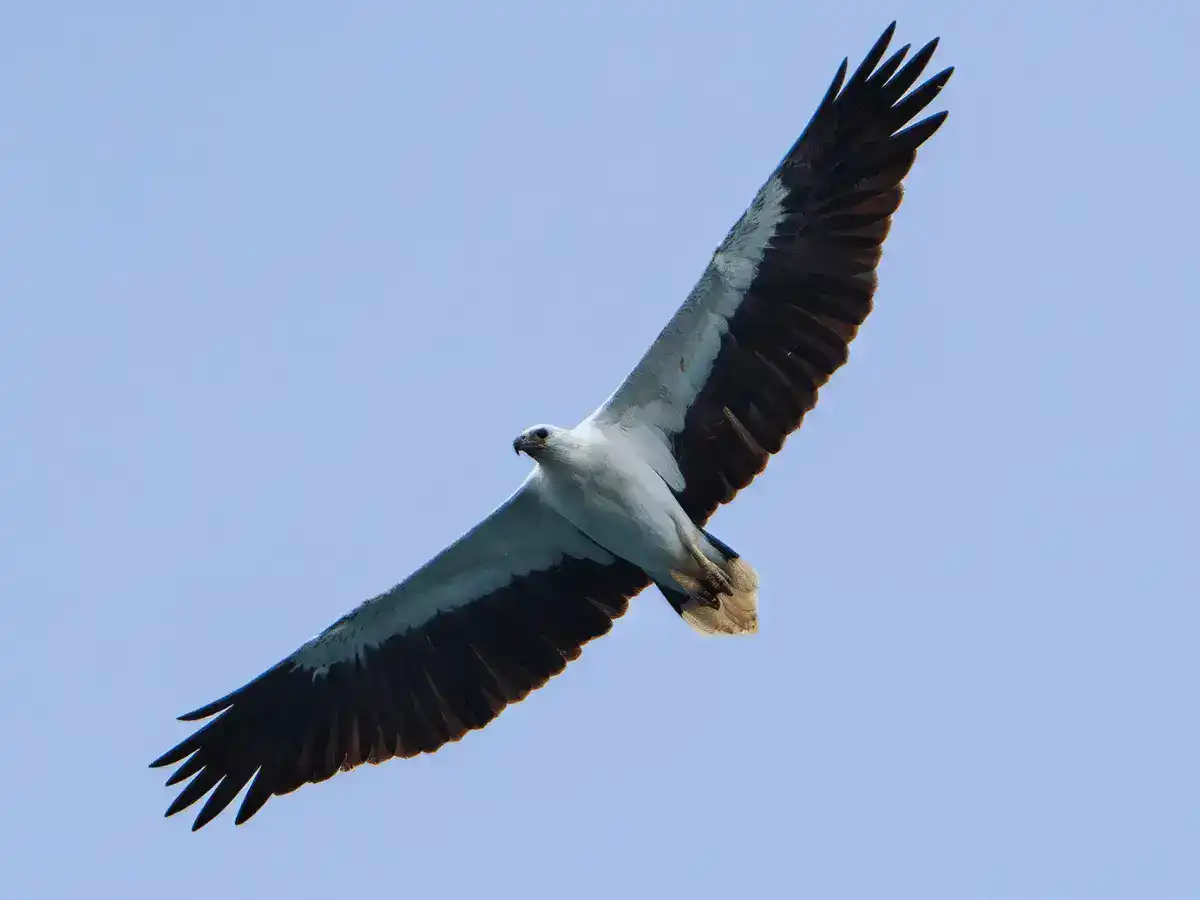
White-bellied Sea Eagle. (Colin Campbell/SeaTrek Sailing Adventures)
White-bellied sea eagle (Haliaeetus leucogaster) is a large diurnal bird of prey. They are called the most impressive living flying machine in the world. Their flying speeds can reach up to 115 kilometers per hour, and their wingspan can get up to three meters.
They are also known as a skilled hunter and can attack prey up to the size of a swan. They feed mainly off aquatic animals like sea snakes, turtles, and animals. But sometimes, they can also attack other birds and mammals.
White-bellied sea eagles range in Indonesia, New Guinea, China, and Australia. Most of the time, they are spotted perched on a high tree or flying around alone or in groups above the water, coasts, and rivers up to 3000 meters of height.
10. Flying Foxes (Pteporus vampyrus)
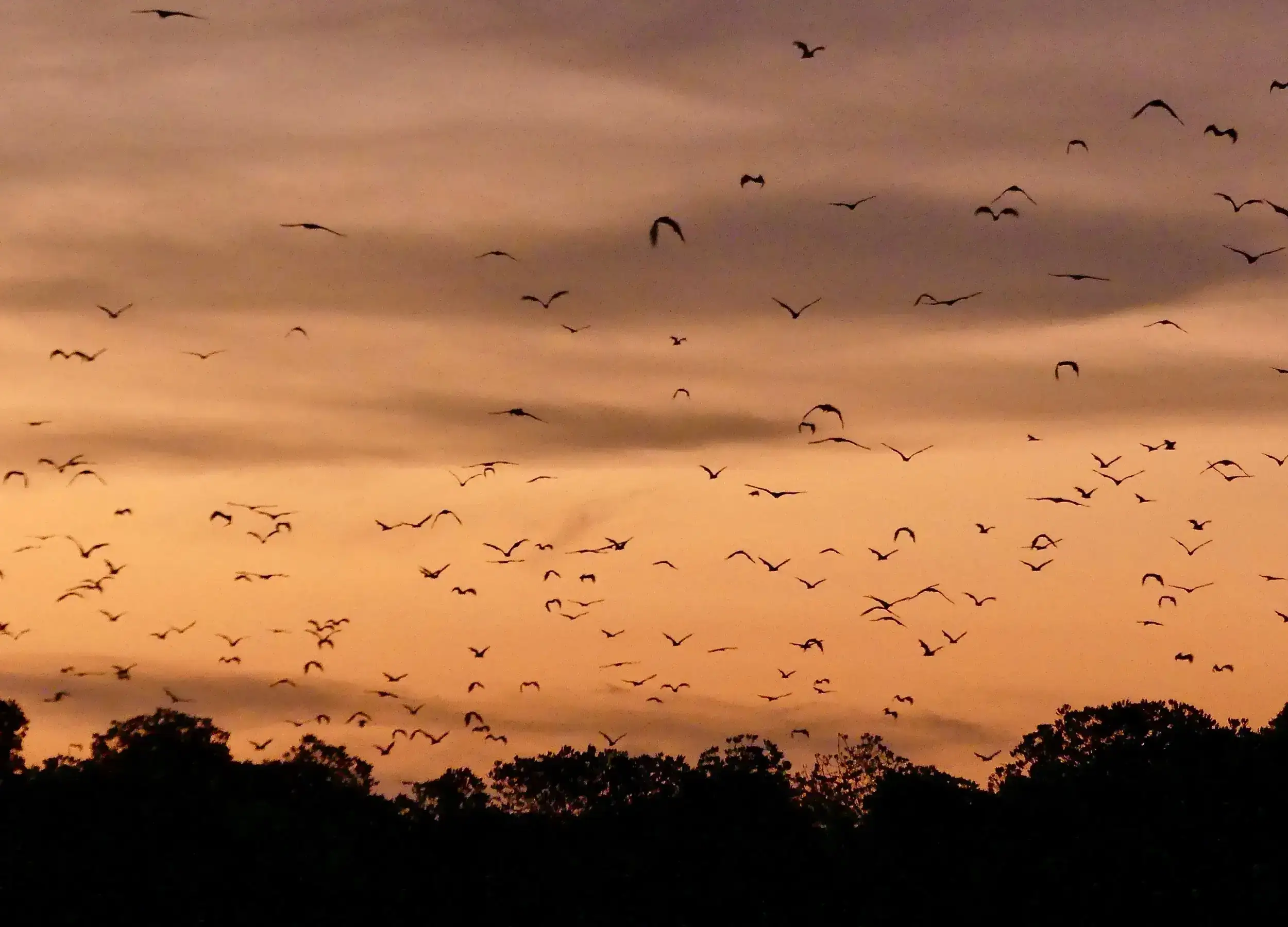
Flying Foxes. (Jason Lye/SeaTrek Sailing Adventures)
Flying foxes (Pteporus vampyrus) are also known as fruit bats. They live in Southeast Asia, South Asia, east Africa, Australia, and some oceanic islands in the Pacific and Indian Oceans.
Flying foxes can be found in the Komodo National Park area, specifically on the east side of Komodo Island. There is a small mangrove forest island called Kalong Island. This island is home to a colony of these giant fruit bats. When the sunset comes, you can see the bats coming out of their hiding place and flying over the island towards Flores for food.
In the Sea: Wildlife Under the Komodo’s Waters
11. Manta rays (Manta birostris)
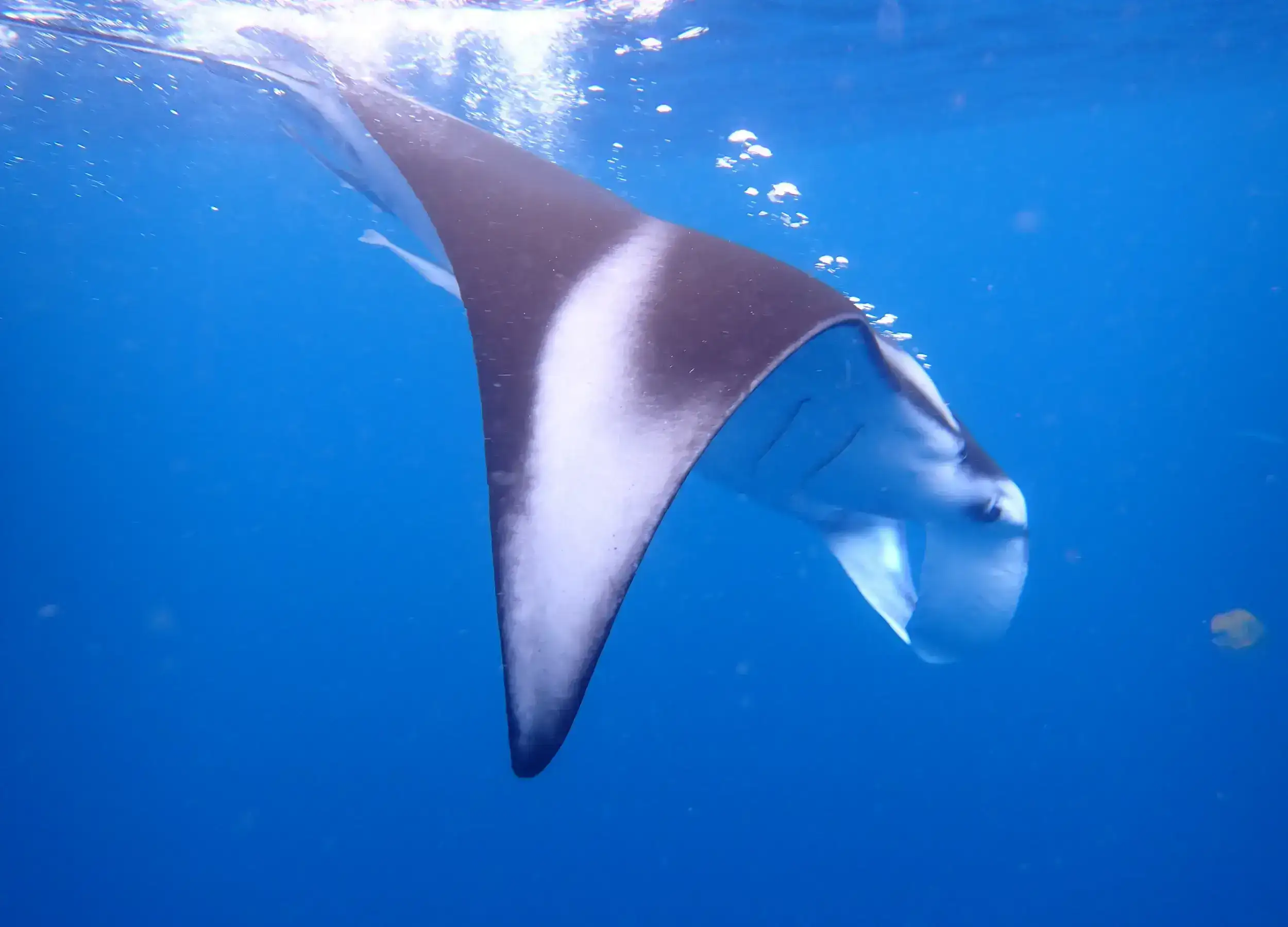
Manta Ray. (SeaTrek Sailing Adventures)
Manta rays (Manta birostris) are the largest ray species, with a maximum width of 7 meters. Unfortunately, they also become the first manta ray to be listed as endangered species due to fishing activities. These giant creatures are both caught by targeted and bycatch for commercial fishing operations.
These giant manta rays are commonly found in tropical and subtropical waters worldwide. They prefer water temperatures between 25 to 30 degrees Celsius, like Indonesia. Swimming with manta rays is one of the activities you can do when visiting the Komodo National Park.
12. Green Turtle (Chelonia mydas)
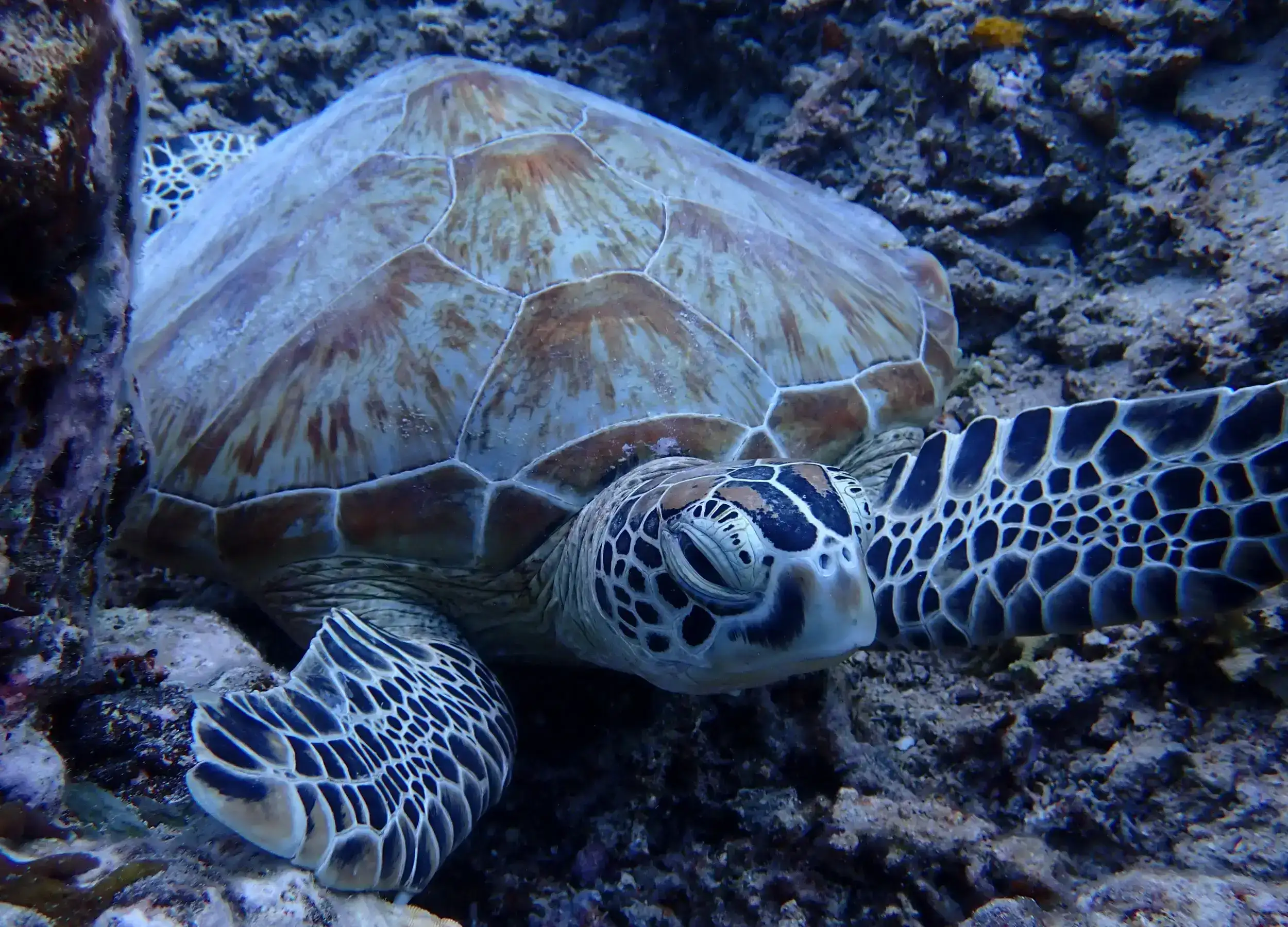
Green Sea Turtle. (Anastasia Louhenapessy/SeaTrek Sailing Adventures)
Green turtles (Chelonia mydas) are the most common species of turtle you can find around Komodo’s waters. Their range extends throughout tropical and subtropical seas around the world.
These turtles are commonly known as Green sea turtles, Black turtles, or Pacific green turtles. They get their name from the green fat found beneath their carapace, which is due to their diet consisting of seagrass.
Green turtles are herbivores. They feed on seagrass and usually inhabit shallow lagoons. Their feeding habits play a role in seagrass health and sustainability.
Plan Your Visit to Encounter Amazing Animals in Komodo
Visiting Komodo National Park is an unforgettable experience if you’re more into nature lovers. Once you set foot in this real-life Jurassic Park, you’ll encounter many incredible animals in Komodo.
Not to mention many unique opportunities and activities to do. You can enjoy the Komodo National Park by snorkeling, kayaking, paddle boarding, and hiking to stunning viewpoints. Contact our team and let’s plan yout once-in-a-lifetime experience in Komodo.
 (David Metcalf/SeaTrek Sailing Adventures)
 (Dion Luas/SeaTrek Sailing Advnetures)
 Hizkia Hukom/SeaTrek Sailing Adventures
 (Hizkia Hukom/SeaTrek Sailing Adventures)
 (Vincent Chalias/SeaTrek Sailing Adventures)
 (Tim Jolly/SeaTrek Sailing Adventures)
 (Brad Hays/SeaTrek Sailing Adventures)
 Dion Luas/SeaTrek Sailing Adventures
 (SeaTrek Sailing Adventures)
 (Ashley Ward/SeaTrek Sailing Adventures)