Tambora: The Birth of Frankenstein from the Belly of a Volcano
By Rachel Lovelock
Just over two hundred years ago, a little-known mountain on a relatively obscure Indonesian island became the epicentre of the ‘mother’ of all volcanic eruptions. It was the most powerful eruption in recorded history; more ferocious than Krakatoa with its 18-metre tidal wave, and more violent than Vesuvius, which buried alive the city of Pompeii.
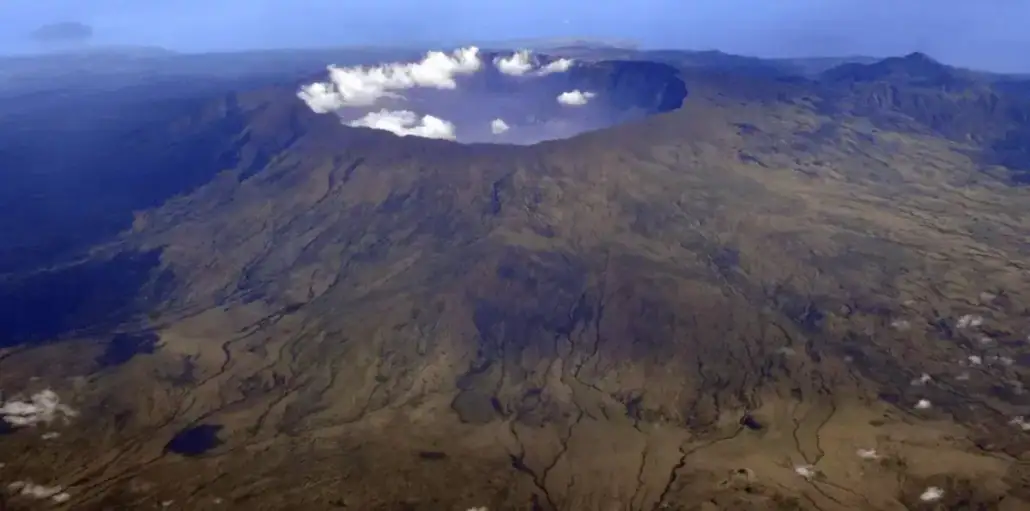
Mt Tambora, located 200 nautical miles east of Bali on the island of Sumbawa, was once the highest mountain in Asia, but in April 2015, in a paroxysm of fire and lava, it blew 36 cubic miles of itself (more than the entire island of Singapore) into the atmosphere. The mountain decapitated itself in the explosion, and all that is left of this former 4500-metre-high giant is a 2851-metre-high torso.
On that night of tremendous destruction, the whole mountain resembled a body of liquid fire, expanding in every direction before finally discharging its lethal cargo of death and destruction. Upon hearing “the distant canon-fire” 1,300 kilometres away in Batavia (now Jakarta), Sir Stamford Raffles feared a rebellion and called out the troops, but when volcanic ash began to fall, and day became night, he realised that the situation was much more serious.
A vast ash cloud created a darkness that lasted three days and extended for thousands of kilometres. Seas were littered with the dead – people and livestock that had somehow survived the explosion only to be snatched up by brutal whirlwinds. Huge trees were torn out of the ground by their roots and hurled into the boiling ocean.
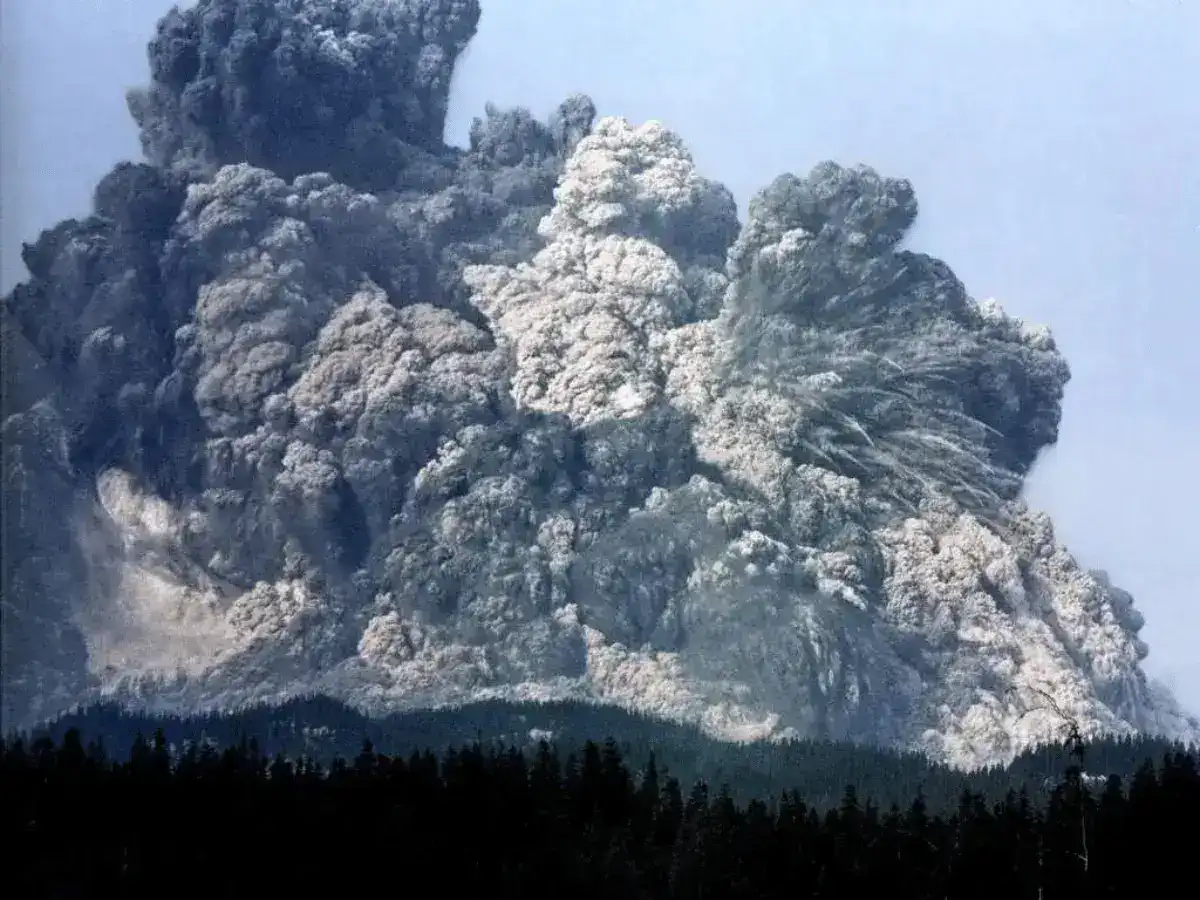
Tambora Eruption. (Google)
An estimated 9000 people died in the blast and as many as 100,000 died in the resulting famine and disease that ravaged the island of Sumbawa. The mass of cloud and ash released by the eruption was so thick that it prevented a significant amount of the Sun’s heat from reaching the Earth, causing what became known as the ‘year without a summer’ in the Northern Hemisphere because of the effect on North American and European weather. In New England, America, six inches of snow fell in June. Crops were destroyed by the cold weather and, for the next three years, thousands starved in Europe.
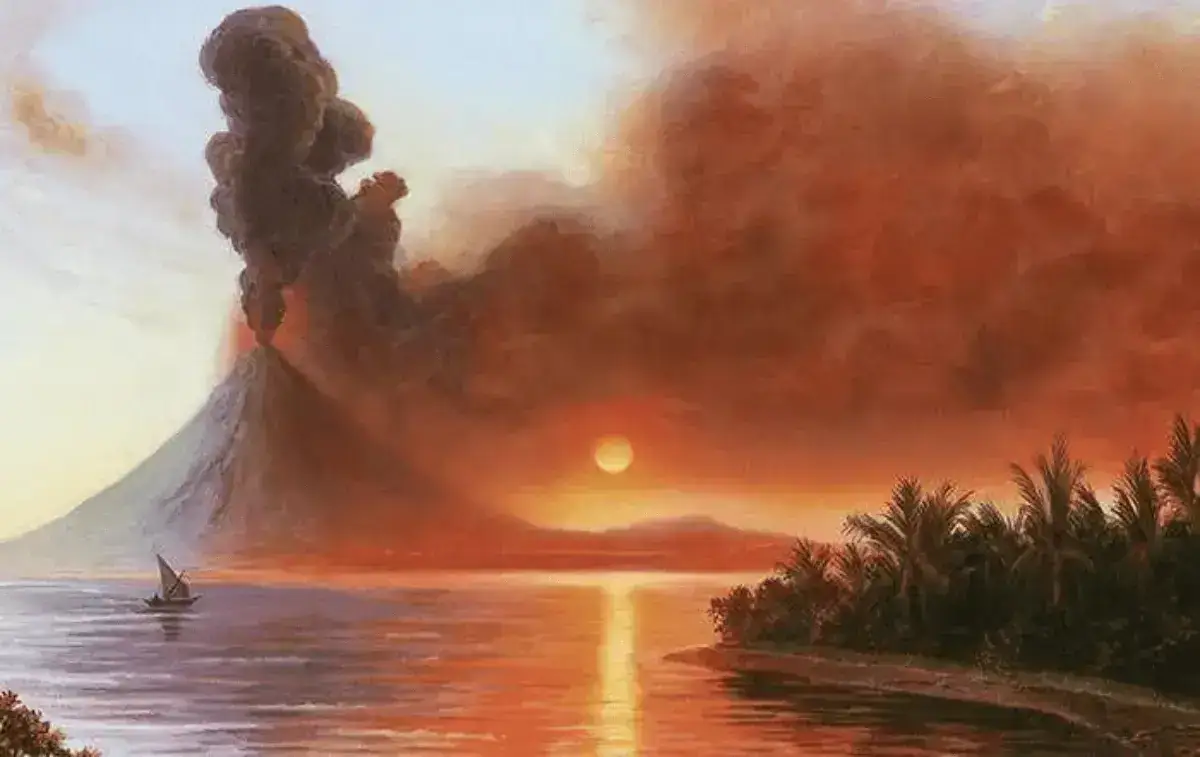
A depiction of the Mount Tambora eruption. (Google)
Literature and the arts, however, fared a little bit better. The brilliant skies and unusually spectacular sunsets resulting from the excess dust in the atmosphere provided inspiration for many of the fiery paintings by English Romanticist landscape artist, JMW Turner. The volcano also gave birth to Frankenstein. The story goes that those literary giants of the romantic era, Lord Byron, the poet Percy Byssh Shelley and his wife Mary Shelley were on holiday in Continental Europe. Forced to remain indoors because of the inclement weather, they amused themselves writing ghost stories, and Mary Shelley wrote the lurid tale of Frankenstein.
 (Anastasia Louhenapessy/SeaTrek Sailing Adventures)
 (Dion Luas/SeaTrek Sailing Adventures)
 (Dion Luas/SeaTrek Sailing Adventures)
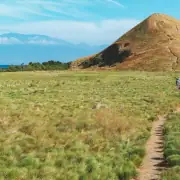 (Dion Luas/SeaTrek Sailing Advnetures)
 Murray Spence/SeaTrek Sailing Adventures
 (Agustina Siringoringo/SeaTrek Sailing Adventures)
 (Tim Jolly/SeaTrek Sailing Adventures)
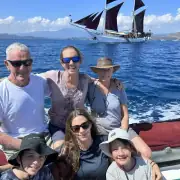 (Anastasia Louhenapessy/SeaTrek Sailing Adventures)
 (GLP/SeaTrek Sailing Adventures)
 (Agustina Siringoringo/SeaTrek Sailing Adventures)