A Place Where Sharks Still Belong: How My Eyes See Raja Ampat
 (Gibbs Kuguru/SeaTrek Sailing Adventures)
By Gibbs Kuguru
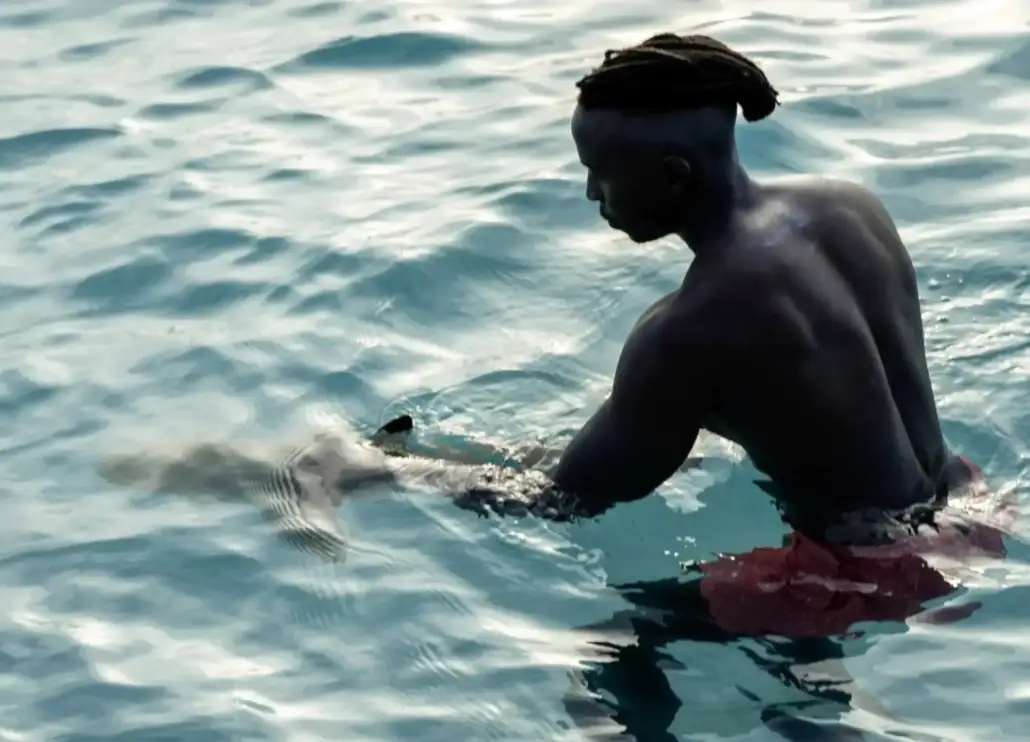
The first time I slipped into the water in Raja Ampat, I had one of those slightly embarrassing moments as a shark scientist: I forgot about the sharks for a second.
I have spent fourteen years working with sharks across different parts of the world, and in that time, many of the ocean habitats I have seen have carried some kind of wound. Broken coral. Empty reefs. The quiet absence of animals that should have been there.
But Raja Ampat felt different.
What Makes Raja Ampat Different?
The reef below me was alive in a way that almost seemed excessive. Soft corals stacked over one another in impossible shapes. Reefs with a diversity and abundance of life. Colour was everywhere. I remember thinking (almost reluctantly), “Wow, I kind of understand why people like corals.” It made me wonder: if conditions here are this good for corals, what does that mean for sharks? What does life look like for a reef predator in a place where the reef still feels whole?
That question sits close to the heart of my work.
In the Maldives, where I have spent much of my PhD research, sharks tell a more complicated story. For decades, fishing pressure pushed many shark populations to the edge of extinction. The Maldives eventually became a shark sanctuary, which was an important step, but protection does not instantly erase history. When populations have been heavily depleted, they can carry that damage silently for generations.
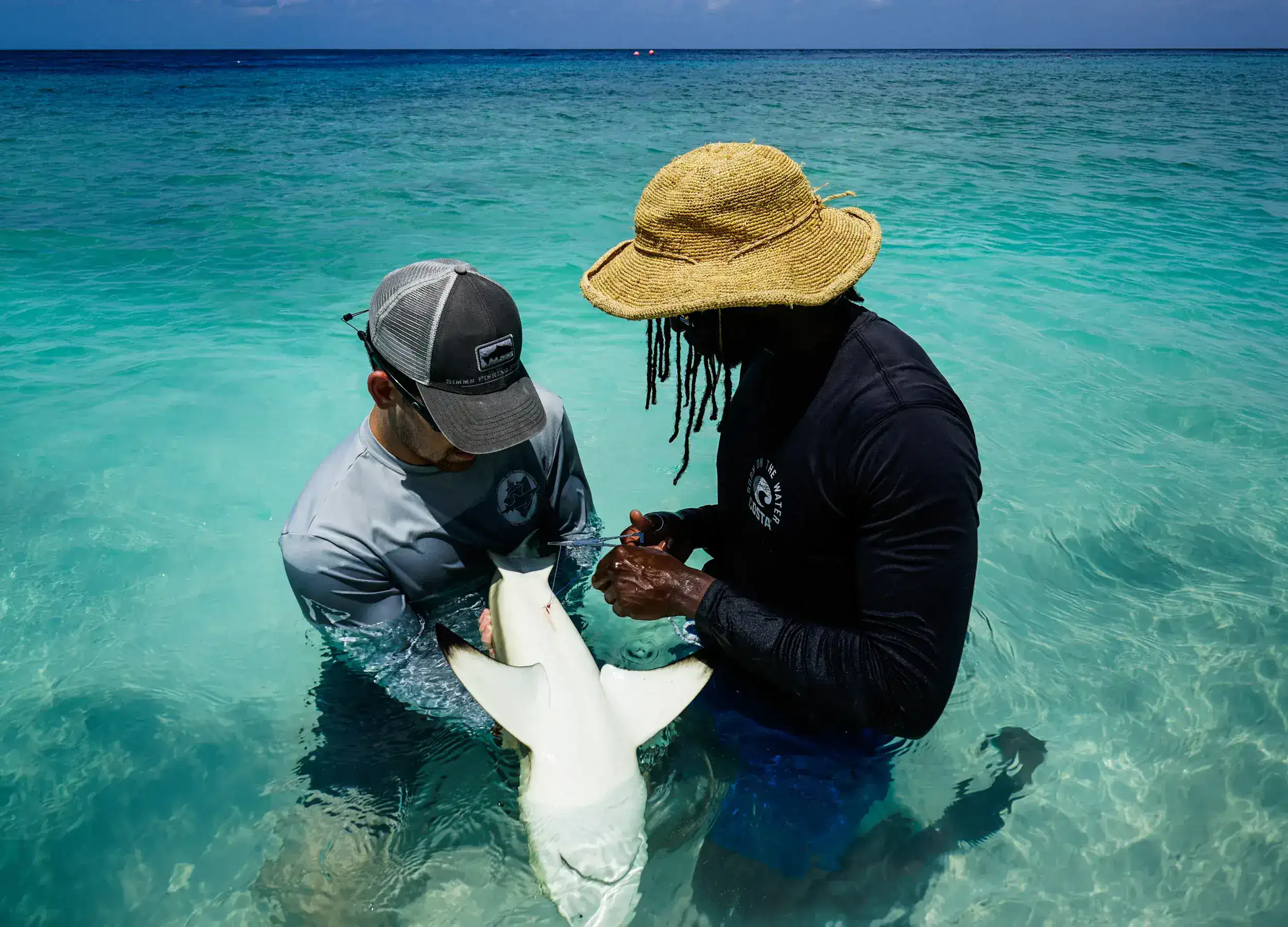
Gibbs Kuguru doing shark research.
My research uses genetics and tracking technology to understand how strong or fragile shark populations really are. Genetics can reveal whether a population has enough diversity to remain resilient in the face of adversity. Tracking can show how sharks move and which habitats matter most to them. In the Maldives, my results suggest that reef shark populations had become dangerously small and isolated due to a combination of geography and behavior. They are naturally vulnerable and my question here is, “What makes Raja Ampat different?”
Raja Ampat is often described as one of the great marine biodiversity strongholds on Earth, but what moves me most is not just the abundance of life, but the stewardship for the environment. Places like Misool show what can happen when local communities, conservation groups, tourism operators, and rangers work toward the same goal: protecting the conditions that allow wildlife to remain wild.
Why Healthy Shark Populations Matter
That is what I am most curious to understand in Raja Ampat. How are shark populations structured across this maze of reefs, channels, and lagoons? Are reef sharks here mostly staying close to individual reefs, as they often do elsewhere, or are they moving through the seascape in ways that connect different habitats? I hope to learn not only where sharks go, but how their populations hold together over time. For conservation, these details matter. They can help us understand which places are essential for breeding, foraging, and habitat. This will tell us what kinds of protection allow shark populations to remain healthy before they reach a point of crisis.
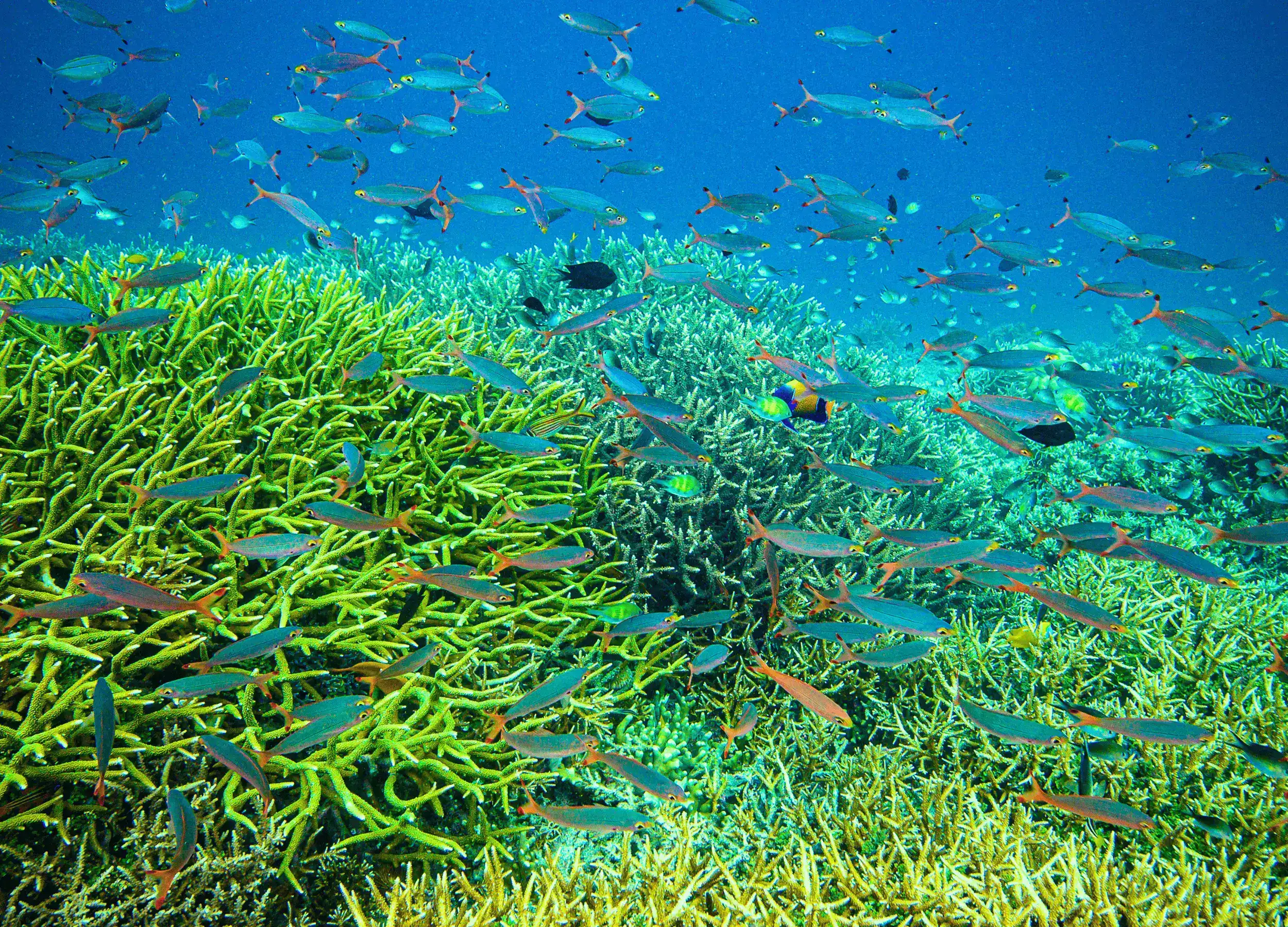
Healthy coral reef in Raja Ampat. (Vincent Chalias/SeaTrek Sailing Adventures)
That, to me, is the real gift of travelling through these waters. It is not about chasing wildlife, but to move slowly enough that the ocean reveals its patterns. Raja Ampat is one of the rare places where we can still ask what a thriving reef system looks like. For a shark scientist, that is precious. For anyone who loves the sea, it is unforgettable.
And if we are lucky, somewhere between the corals, the birds of paradise, the islands and the shallow blue water, a blacktip reef shark will pass by and remind us what it means for sharks to still belong.
*Get to know Gibbs Kuguru, a shark scientist and National Geographic Explorer who will join us as an Onboard Expert on the Sorong-Sorong and Kaimana-Sorong trip.
 (Agustina Siringoringo/SeaTrek Sailing Advnetures)
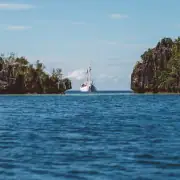 (Ashley Ward/SeaTrek Sailing Adventures)
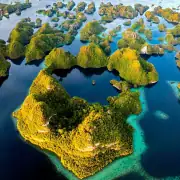 George Karbus/SeaTrek Sailing Adventures
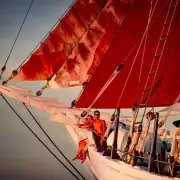 (George Karbus/SeaTrek Sailing Adventures)
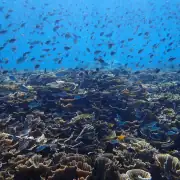 (Abby Hyde/SeaTrek Sailing Adventures)
 (Peter McCarthy/SeaTrek Sailing Adventures)
 (Agustina Siringoringo/SeaTrek Sailing Adventures)
 (SeaTrek Sailing Adventures)
 (Agustina Siringoringo/SeaTrek Sailing Adventures)
 Dion Luas/SeaTrek Sailing Adventures